Kinoshita Studio — Shiga, Japan

Takahiro Kinoshita / 木下 貴博

Sound first.
Then type.

I make music as 99LETTERS. I make images the same way — by building the instrument first, then playing it until something holds still.

Designer and art director in a small studio in Shiga, Japan. Japanese letters, cover art, motion.
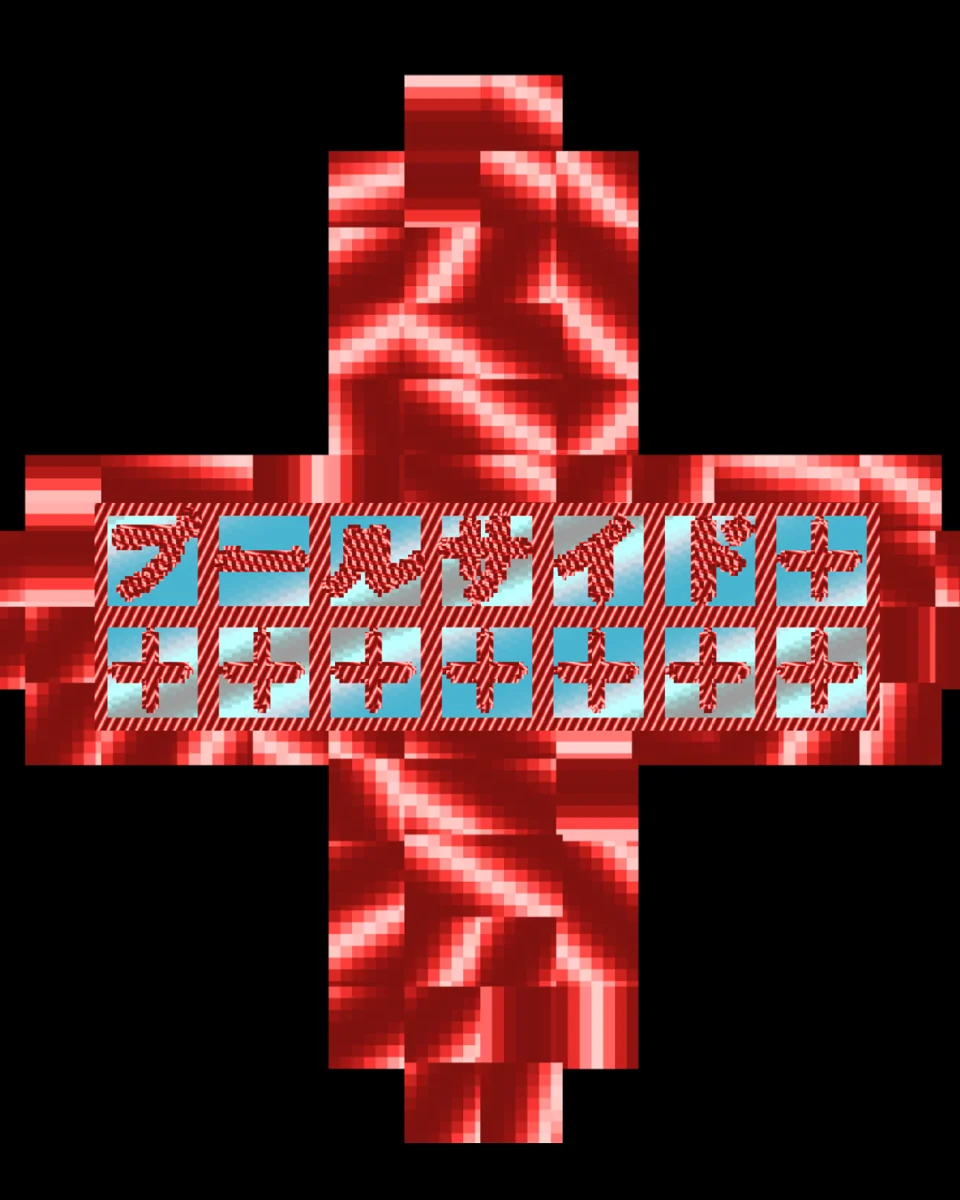
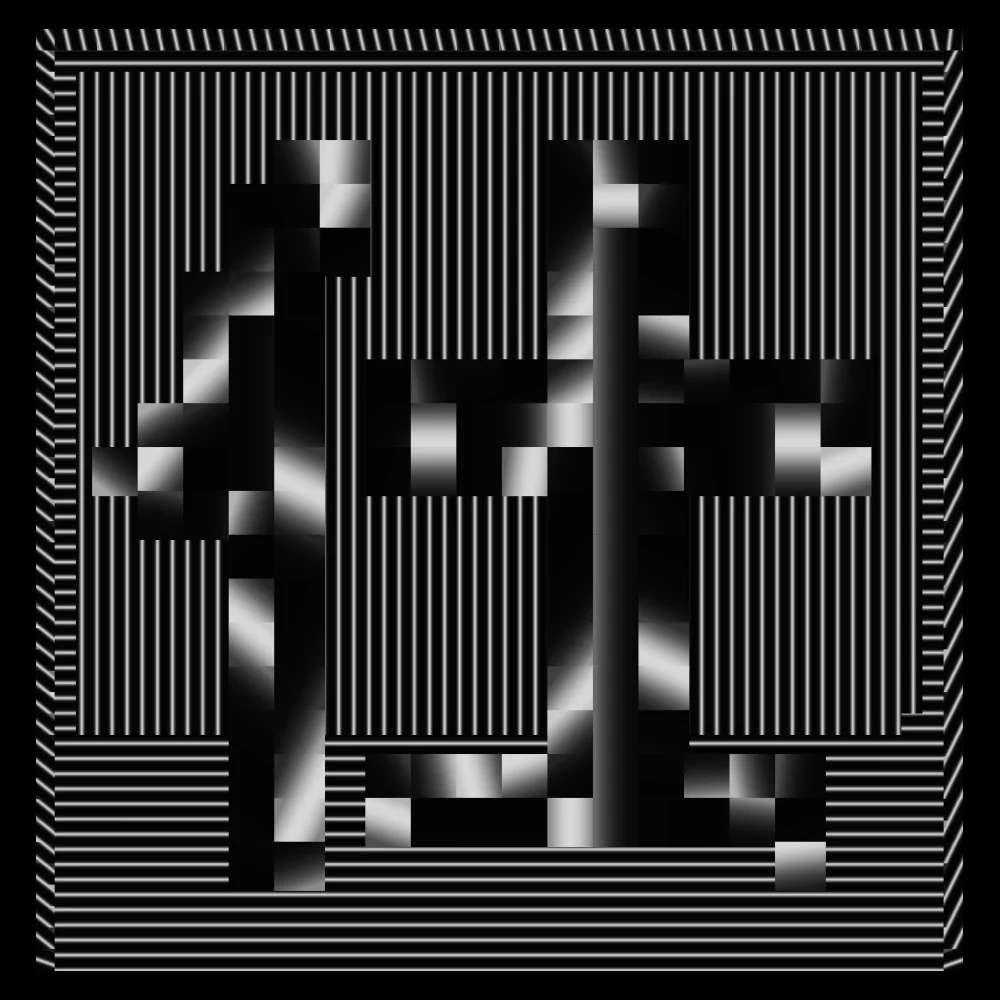
Poolside I Light of letters
01Music — 99LETTERS

It started with sound.

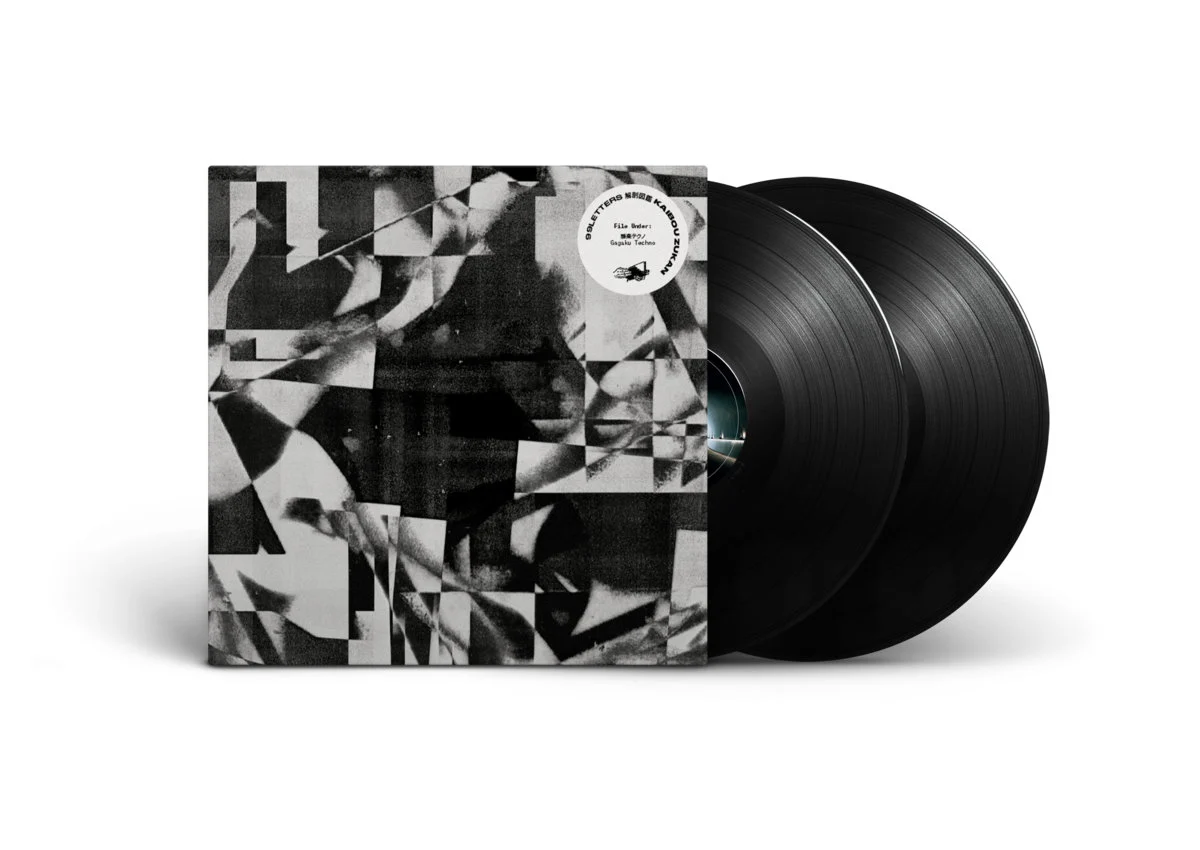
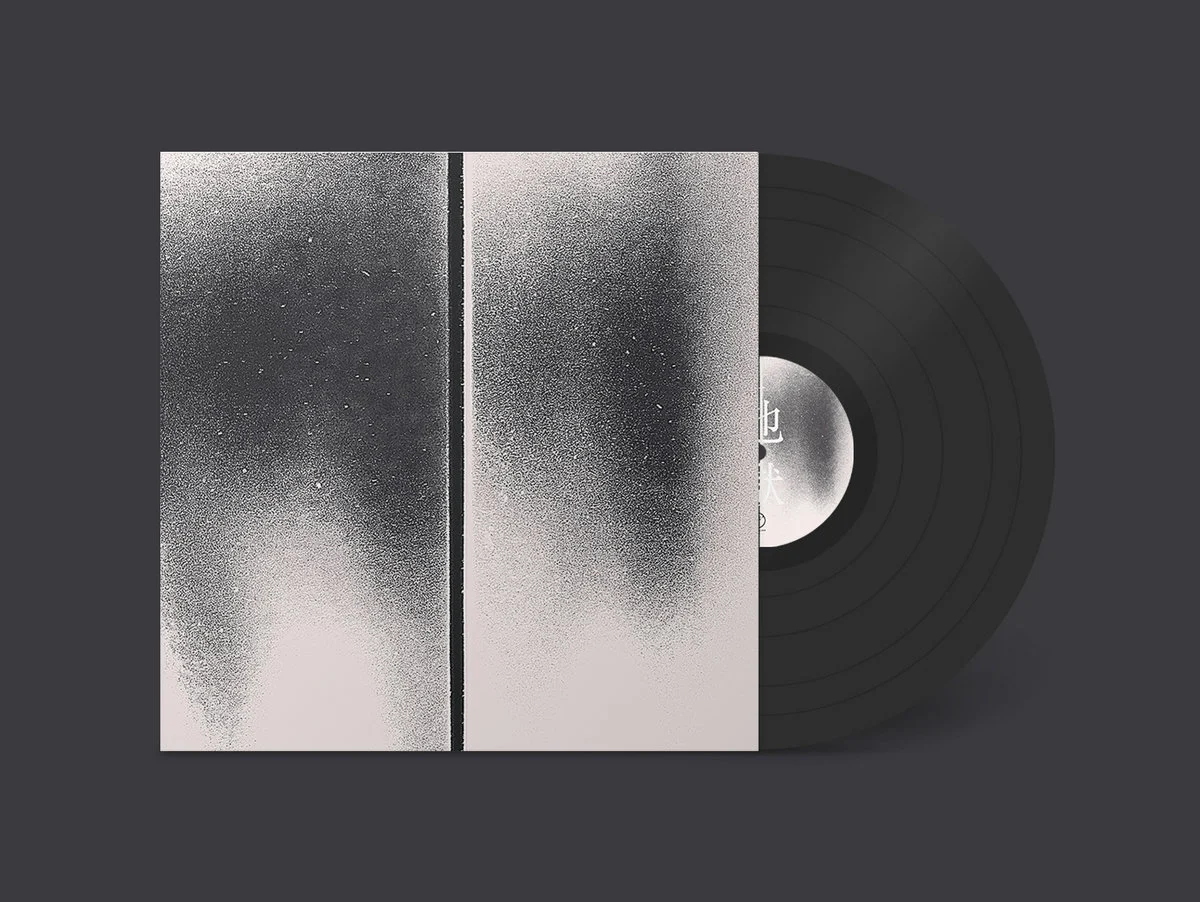
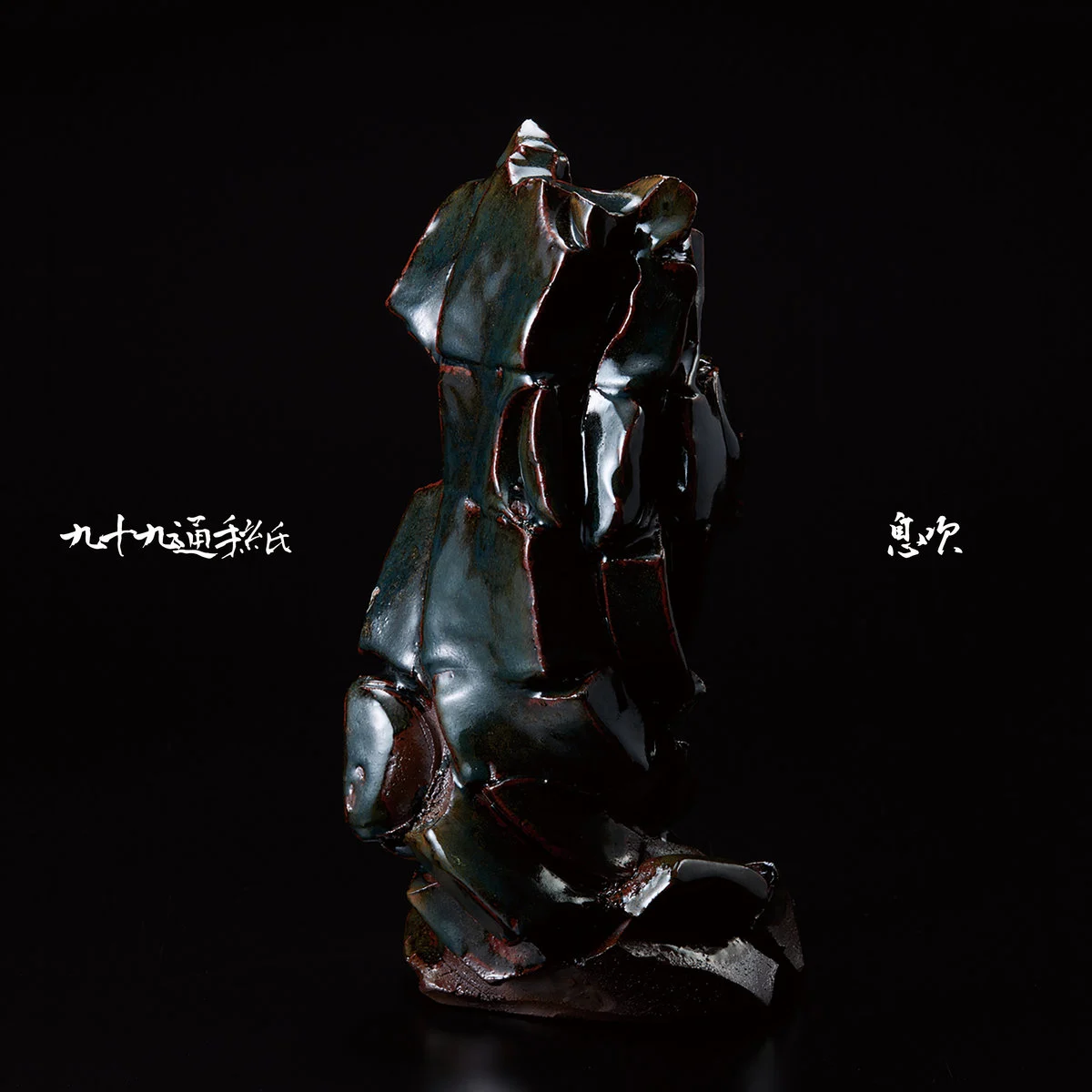
Before I made images, I made records. As 99LETTERS I have released music on labels in London and beyond — Disciples, Phantom Limb, Seagrave.

On each release I worked as art director alongside the label's designers. Making music taught me the habit I now use for everything: sample, cut down, repeat, and listen for the moment it starts to breathe.

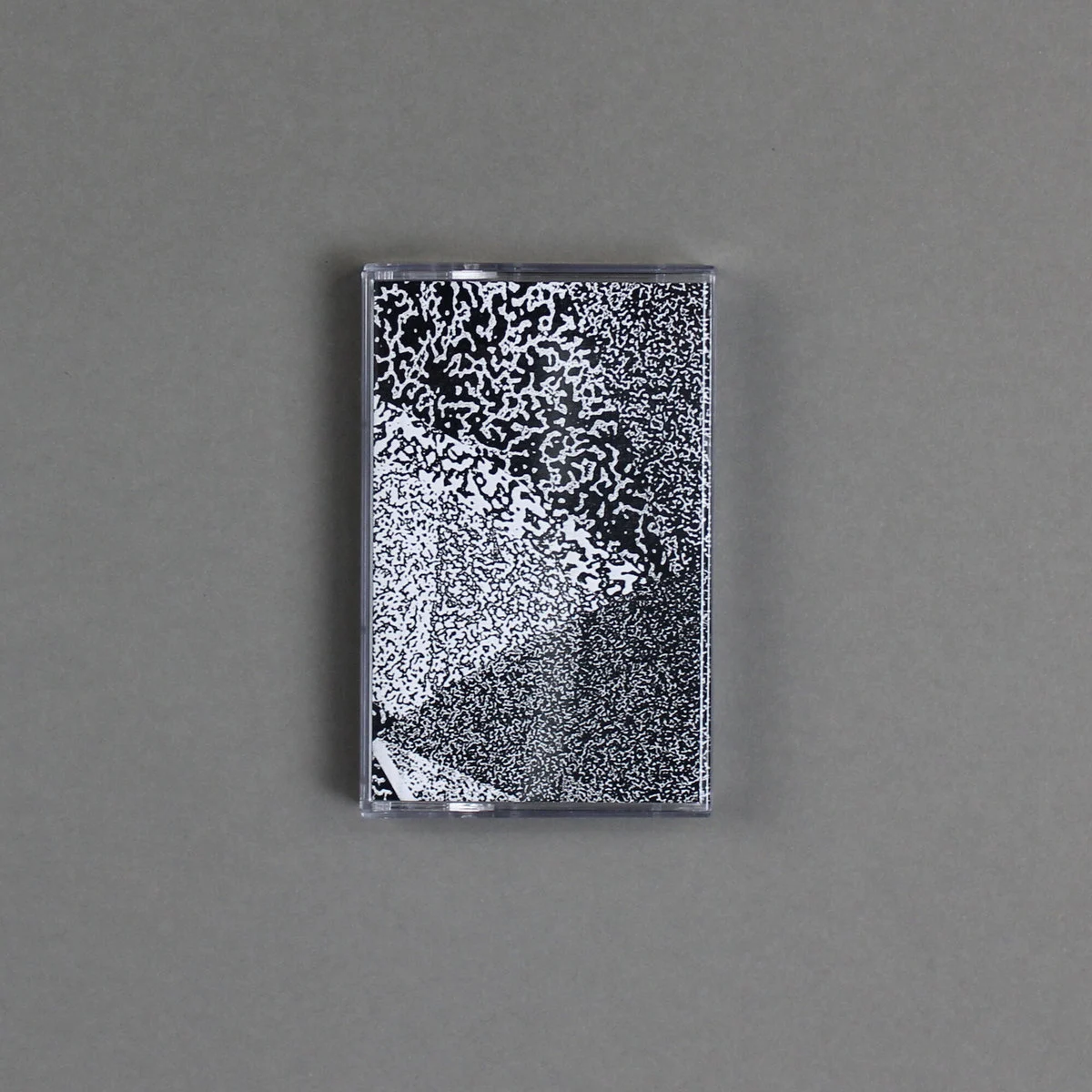
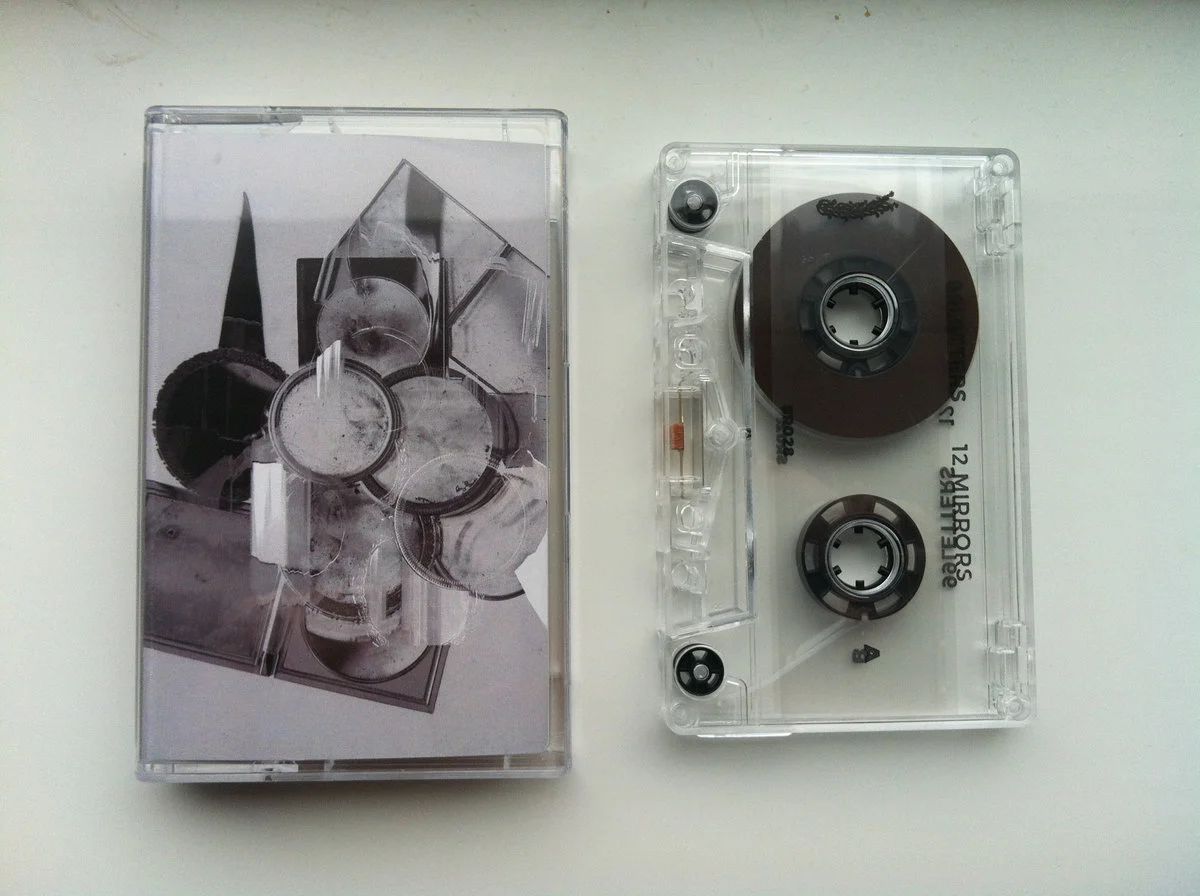
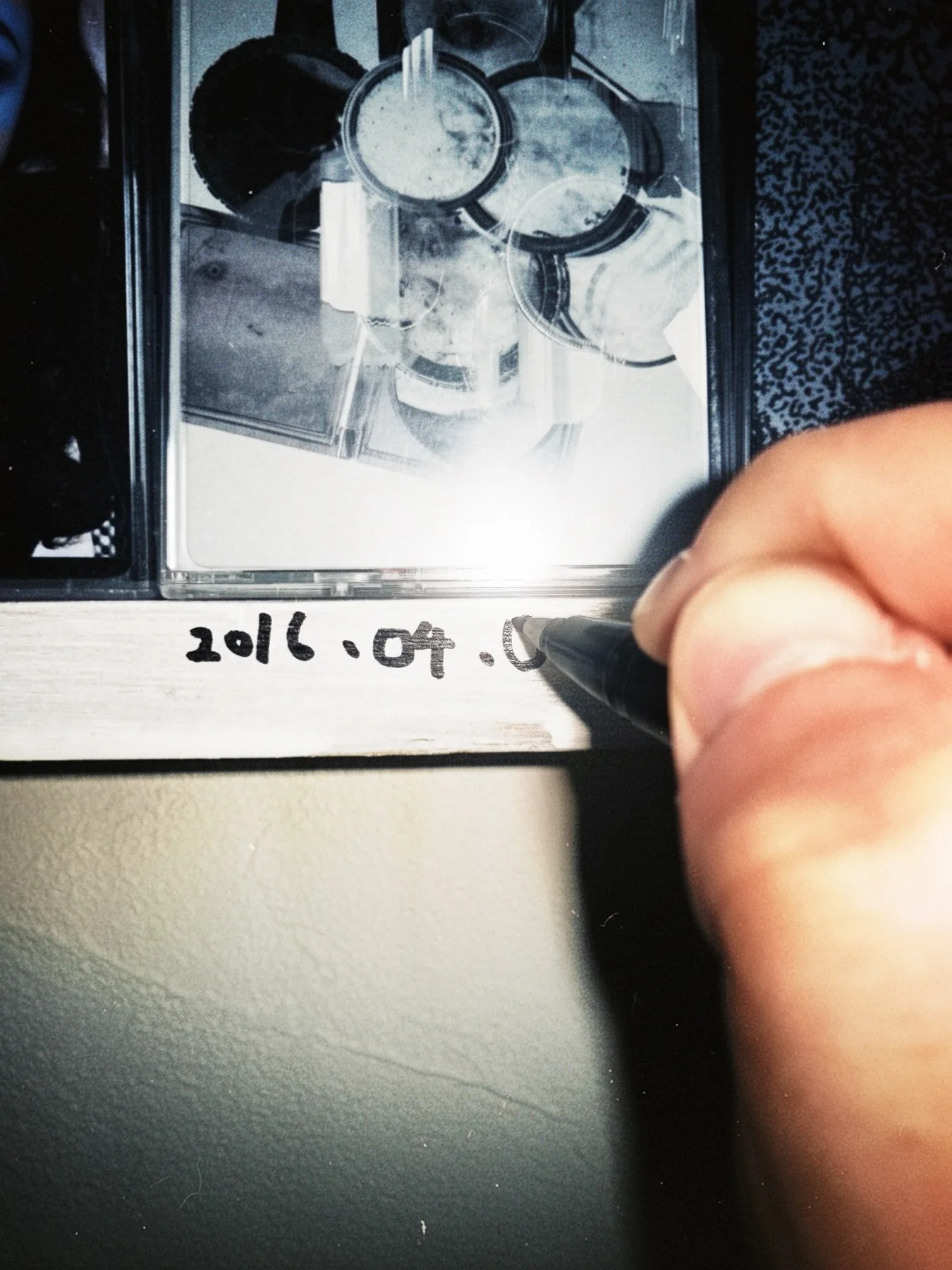
Dating a cassette release by hand, 2016

2016 — a cassette, dated by hand. Every release starts the same way: a small object, made carefully, then sent out into the world.

Heard from the outside.

The records were picked up by press abroad, mostly in the UK.

  • 2023.11Mixmag — Best Albums of November: “Zigoku”
  • 2023.11Loud and Quiet — review of “Zigoku”, 8/10
  • 2023The Wire — 2023 Rewind, contributors’ charts
  • 2023.02The Wire — Issue 468, interview
  • 2023.02Resident Advisor — review of “Onore [Edit]”
  • 2022.12Bleep — Album of the Week: “Makafushigi”
  • 2022.11Bandcamp Daily — Album of the Day: “Kaibou Zukan”
  • 2022.11It’s Nice That — “Shishimai” music video by Edd Carr & Gabriel Rollinos
  • 2022Boomkat — End of Year Charts
02The studio

A small room by Lake Biwa.

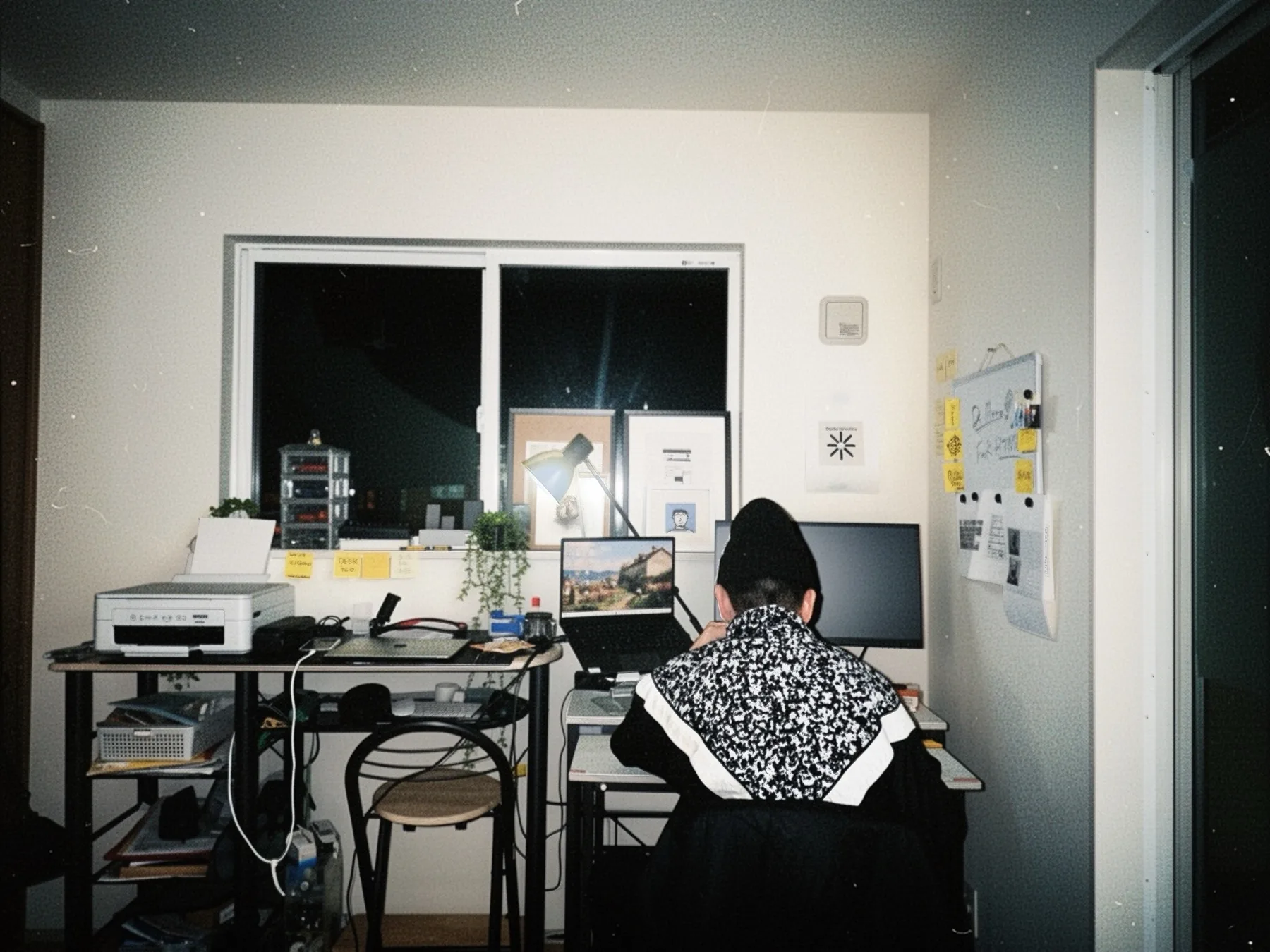
Kinoshita Studio is one person and one room in Shiga, Japan. The music and the images are made at the same desk.

I write the tools, make the images, set the type and build the pages myself — so the idea never has to be translated twice.

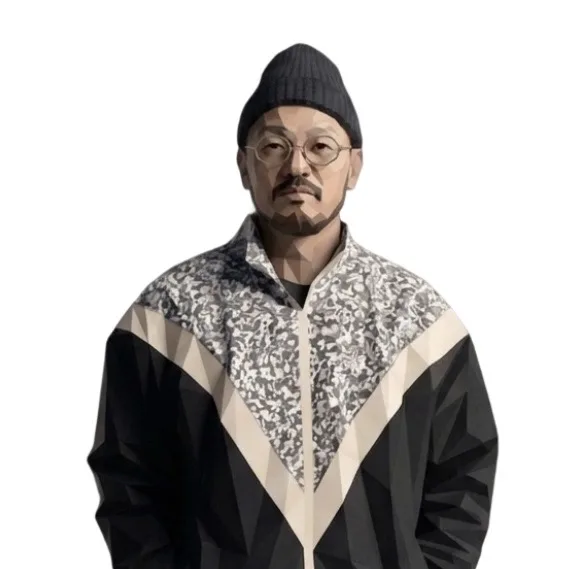
Takahiro Kinoshita
Kinoshita at the desk in the studio, Shiga
The room — Shiga, Japan
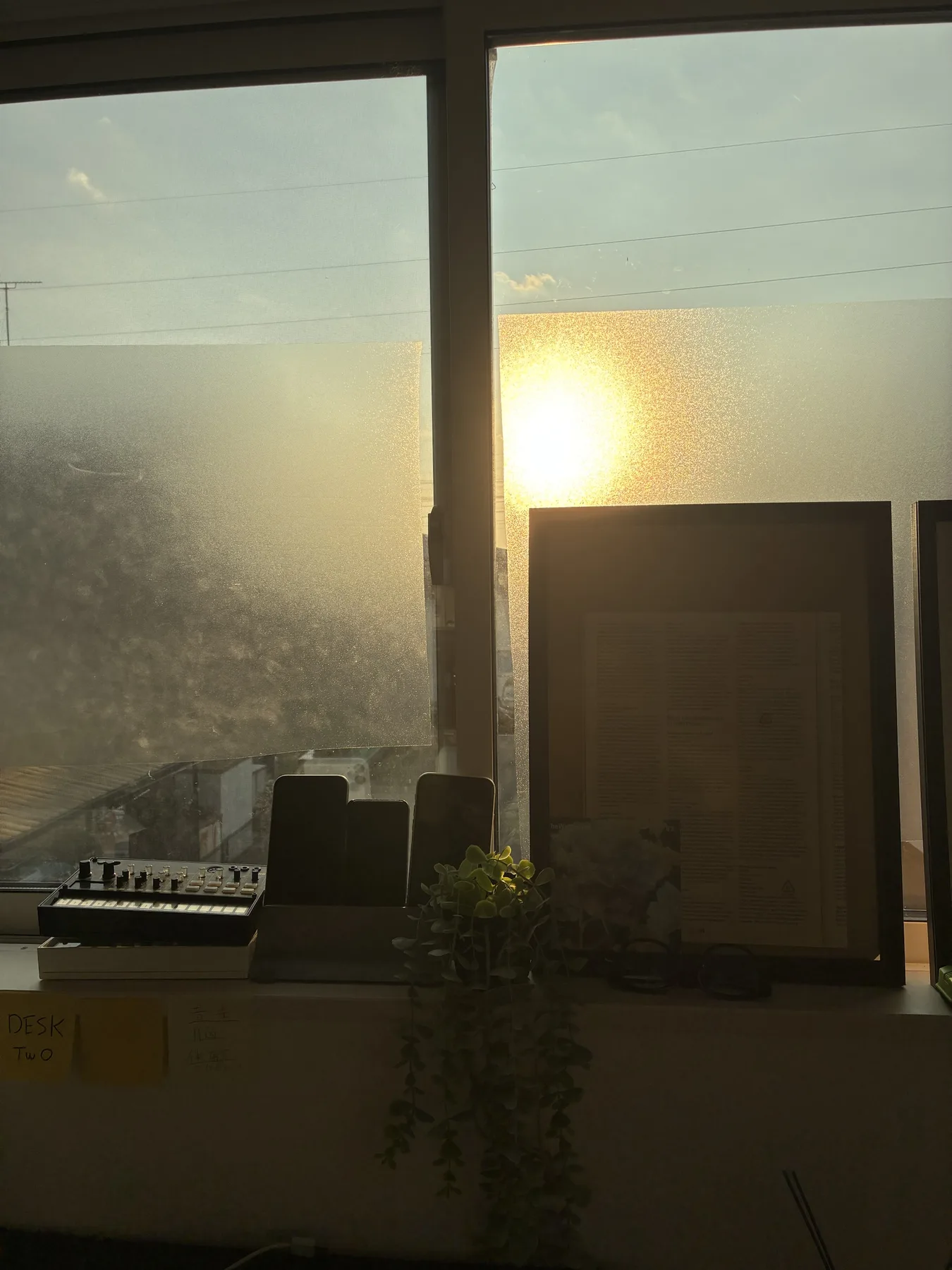
Late sun through the studio window, a synth on the sill
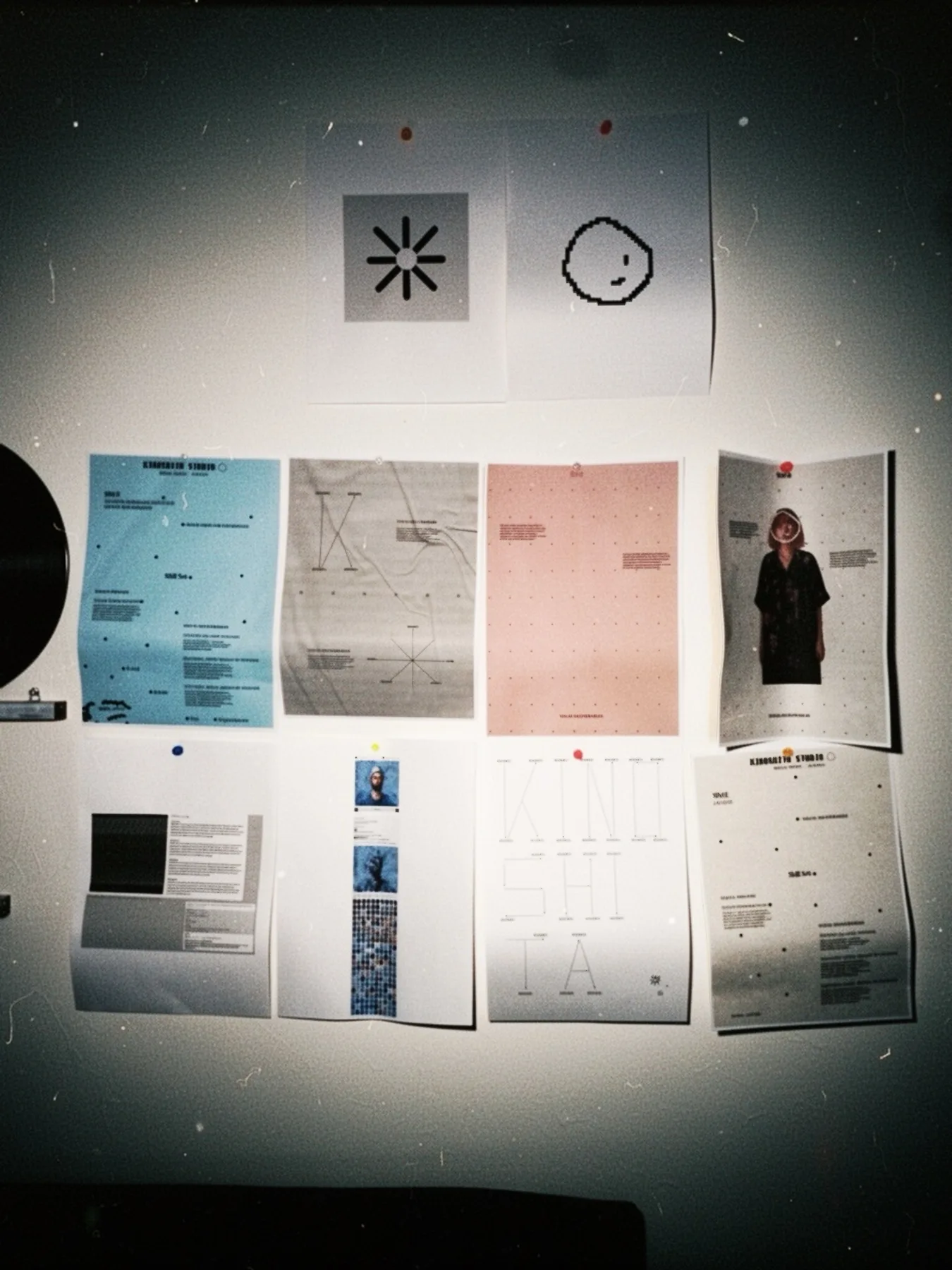
Proofs pinned to the studio wall
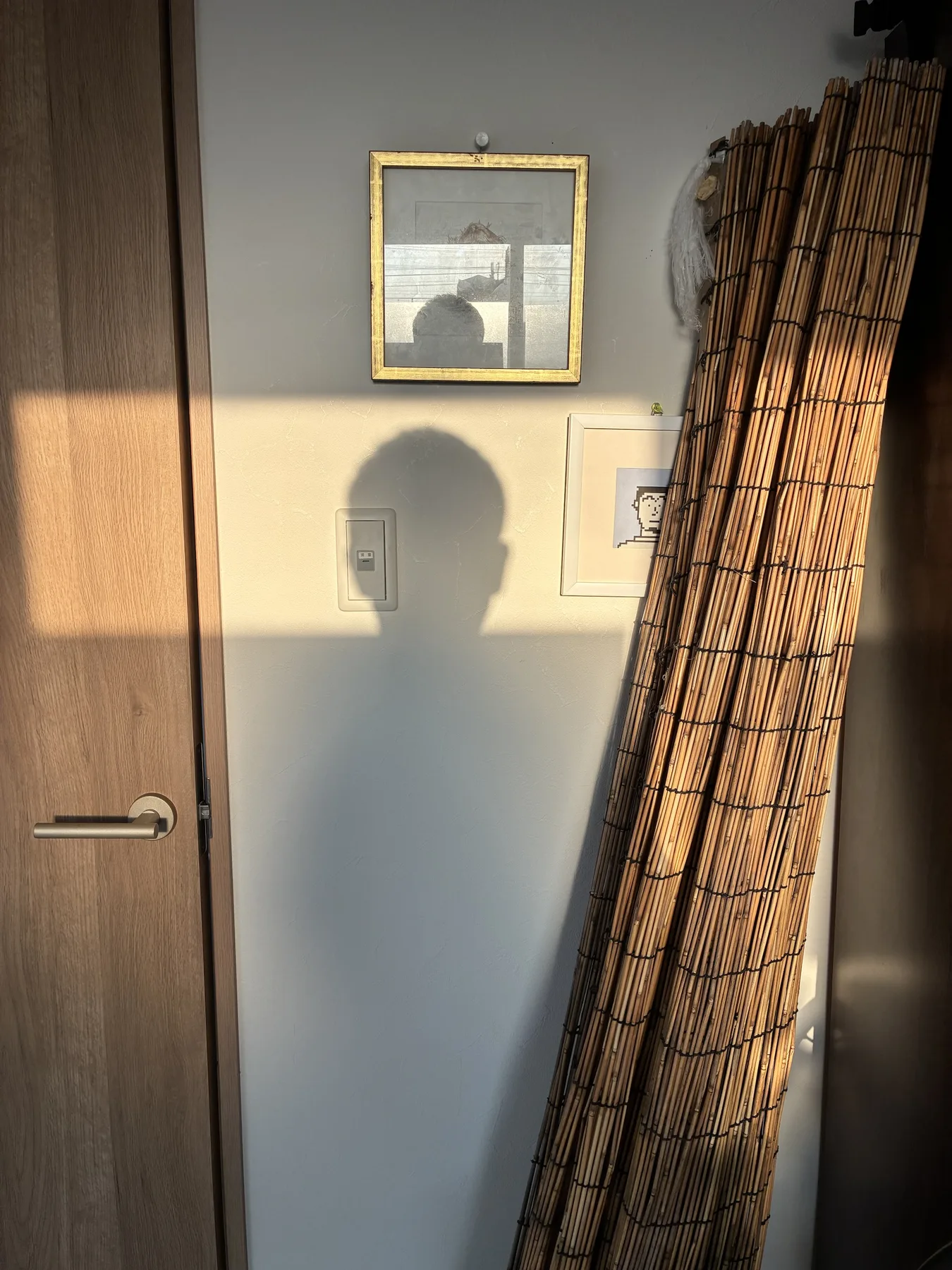
A shadow on the wall beside rolled bamboo blinds
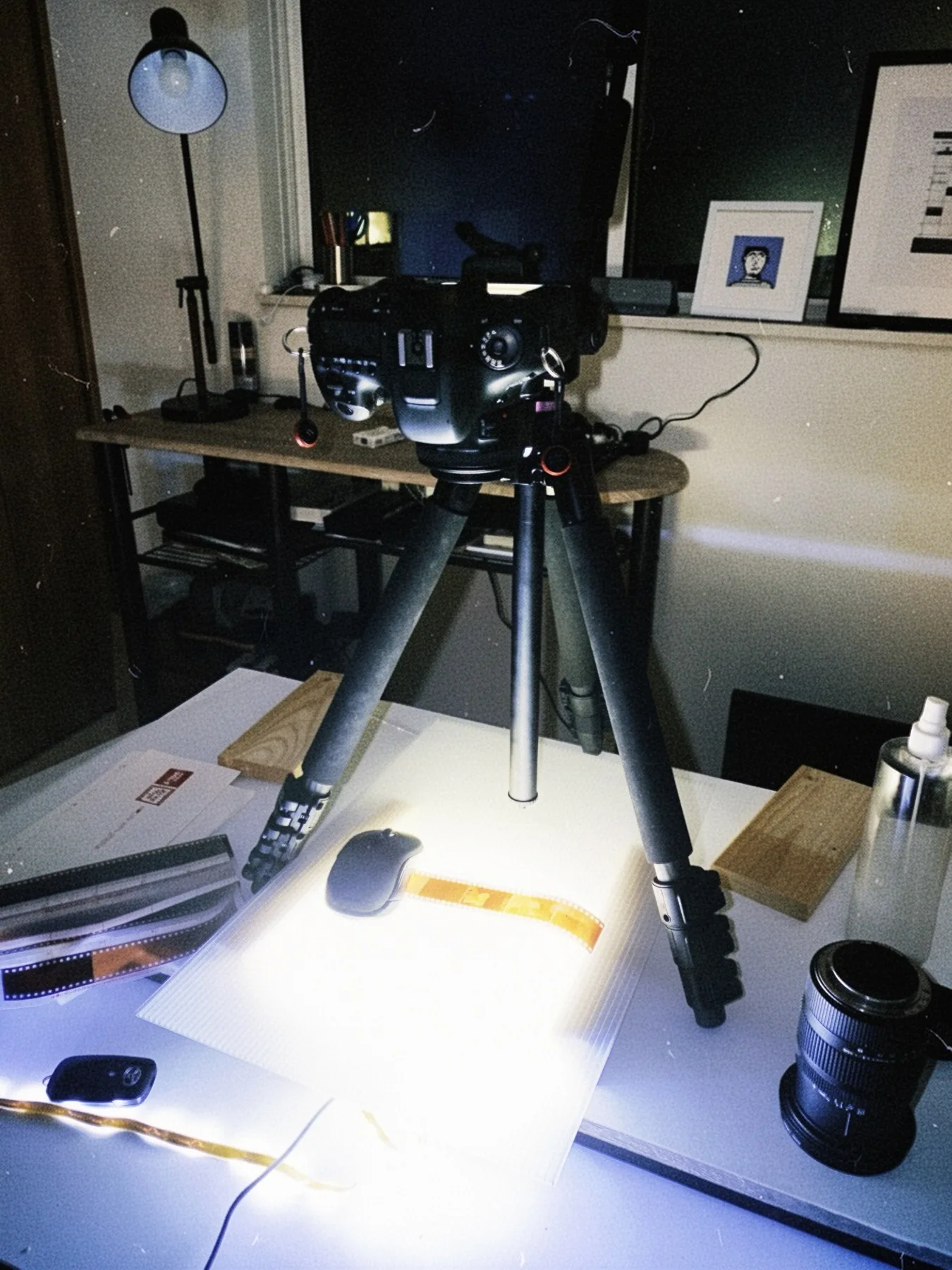
A camera on a tripod over a light table, scanning film
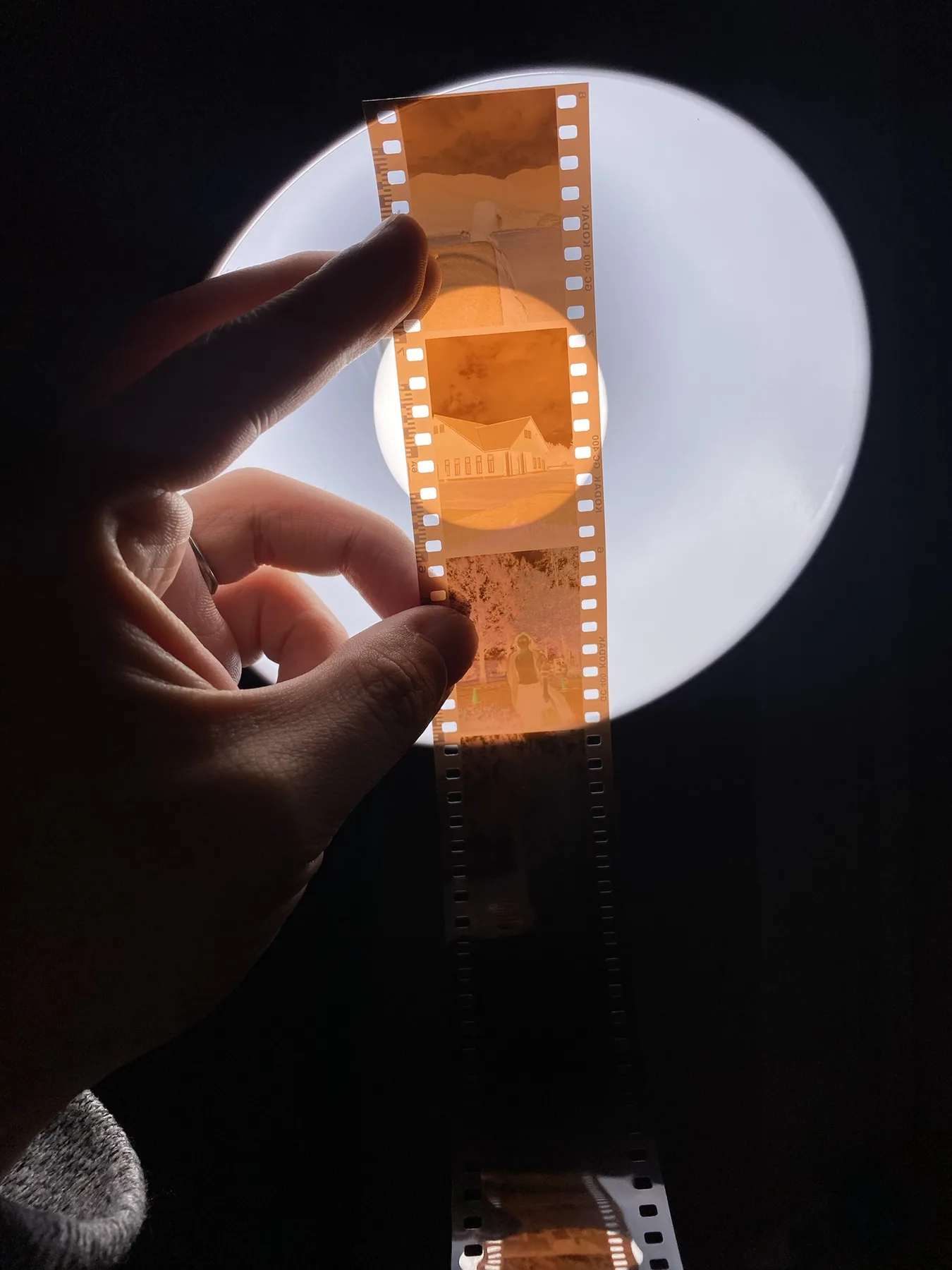
Negatives held up to a lamp
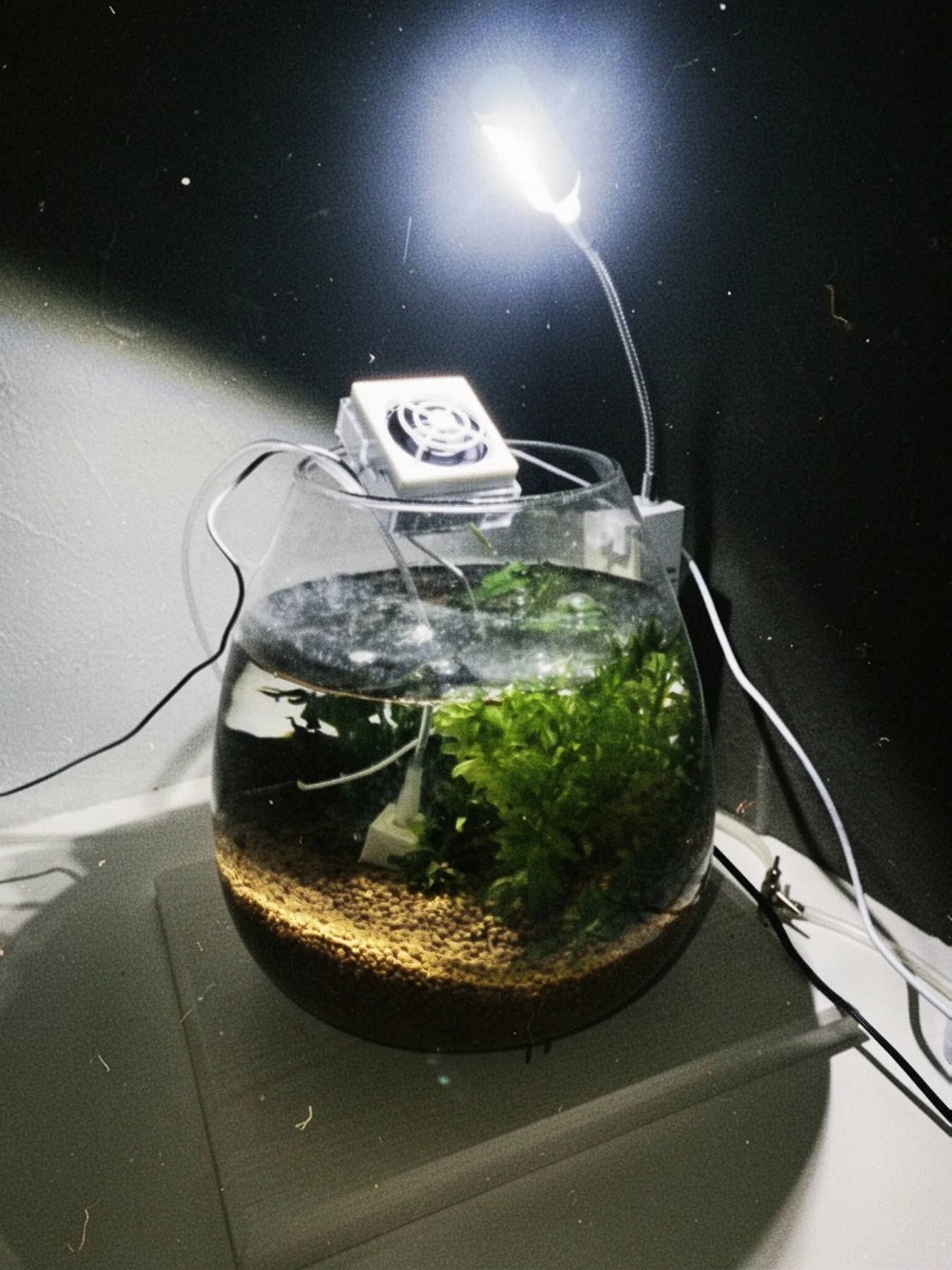
A small aquarium lit in the dark

Film is shot, scanned and printed here. Proofs go straight onto the wall.

03Why I make graphics

Japan, without the “Japanese” look.

Abroad, Japan is usually drawn with the same few things: a brush stroke, vermilion red, a serif Mincho face. I wanted to see what is left when you take all of that away and keep only the letters.

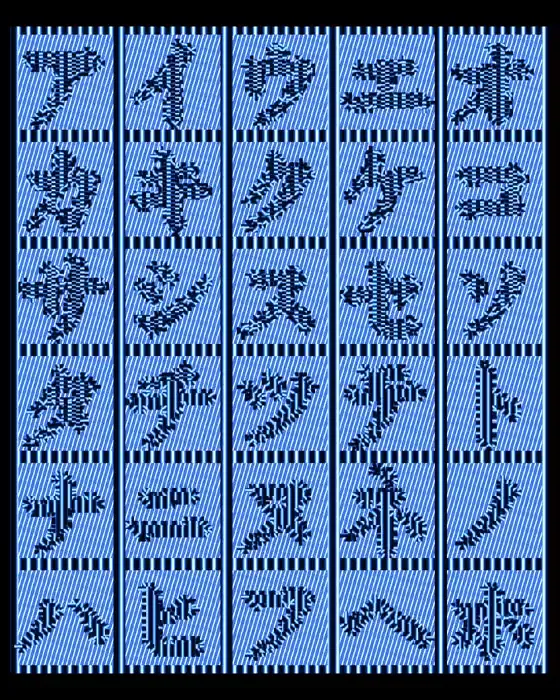
So I treat Japanese characters the way I treat a sound. I sample them, lower their resolution, give each piece a texture and let them move. What comes out does not look traditional — but you can still feel that it could only come from these letters.

I don’t start with a purpose. I start by building a small instrument, play it, and let the accidents arrive. The judgment comes afterwards.

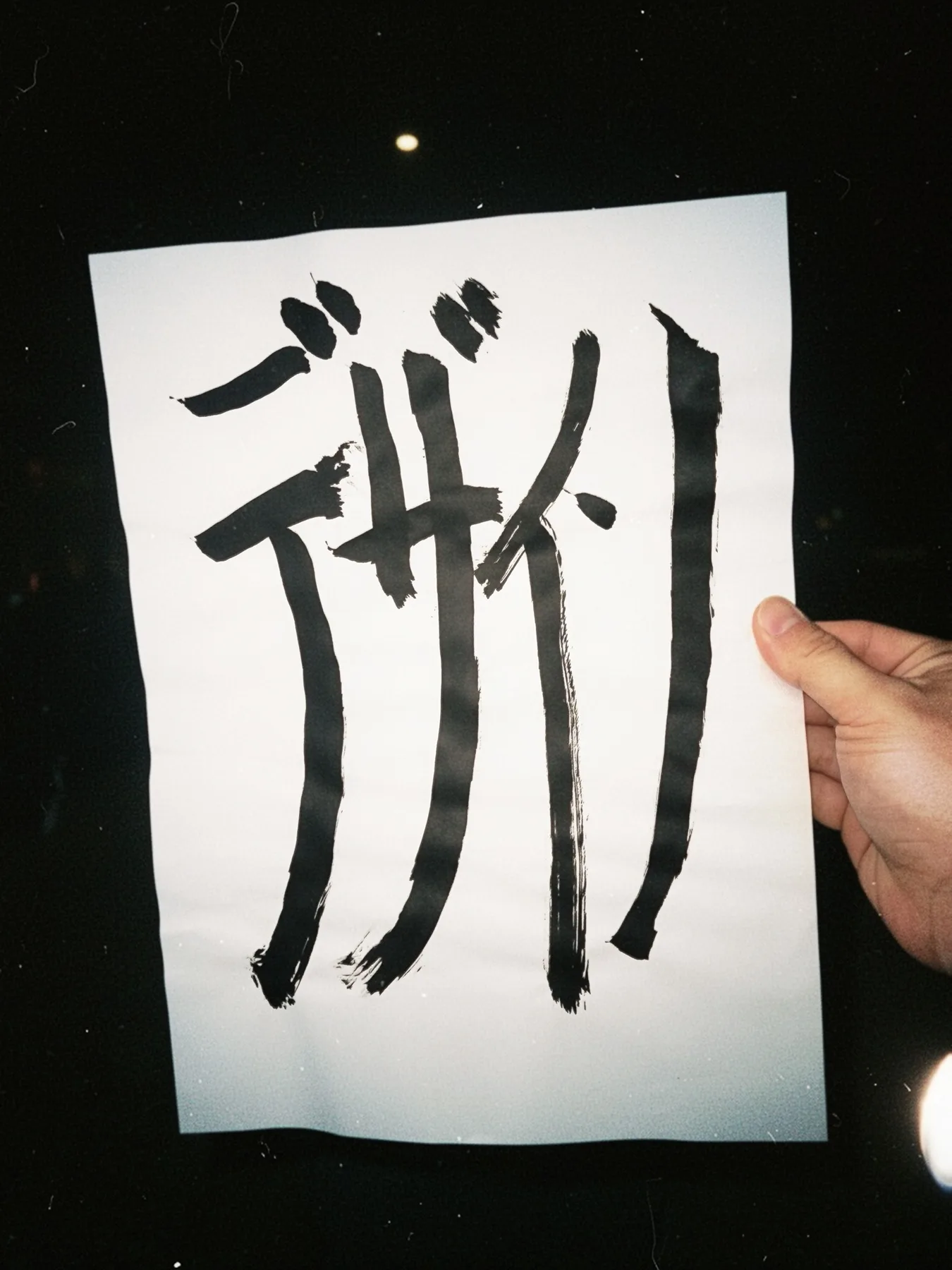
デザイン written with a brush, held up at night
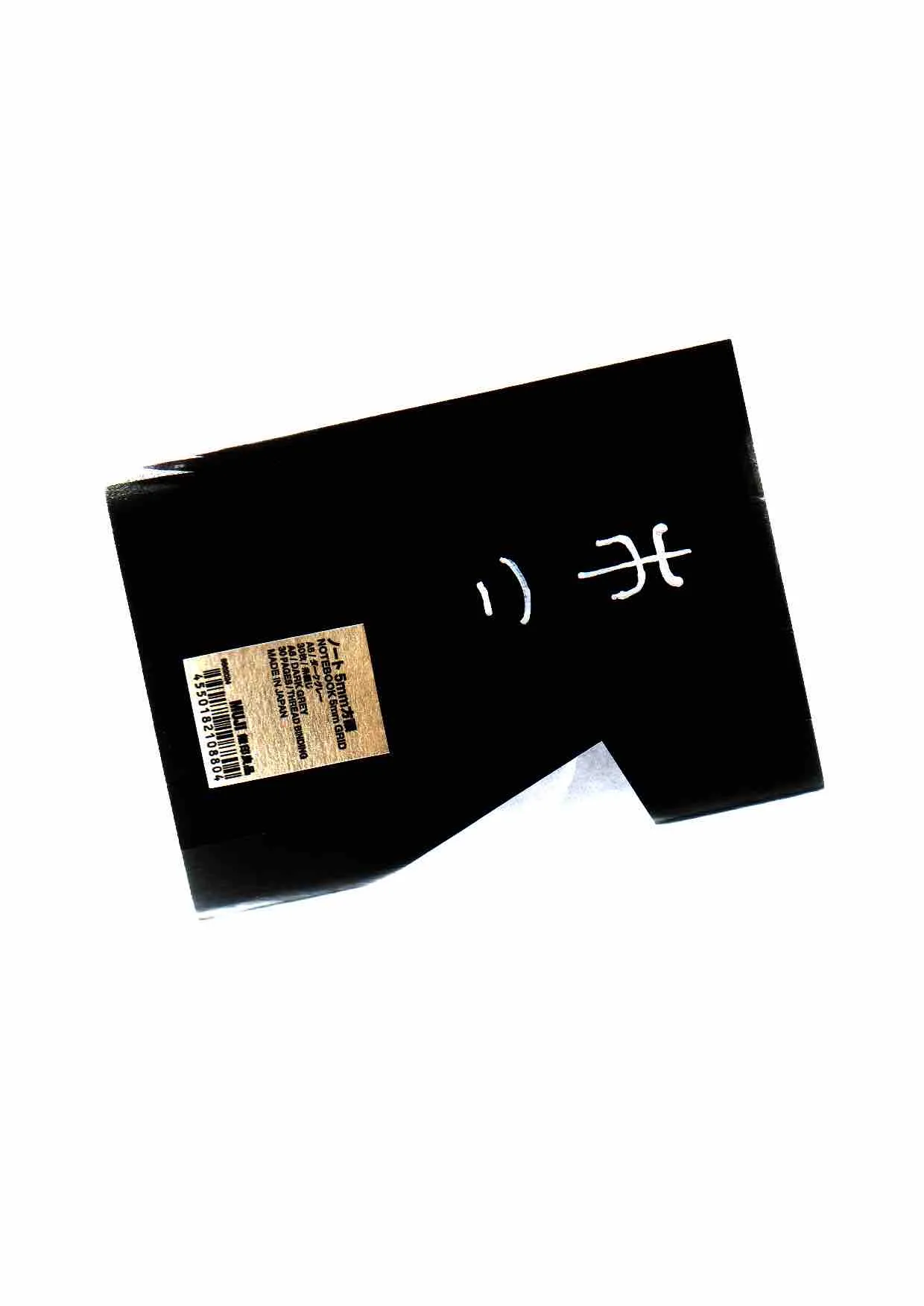
A notebook cover run through a scanner
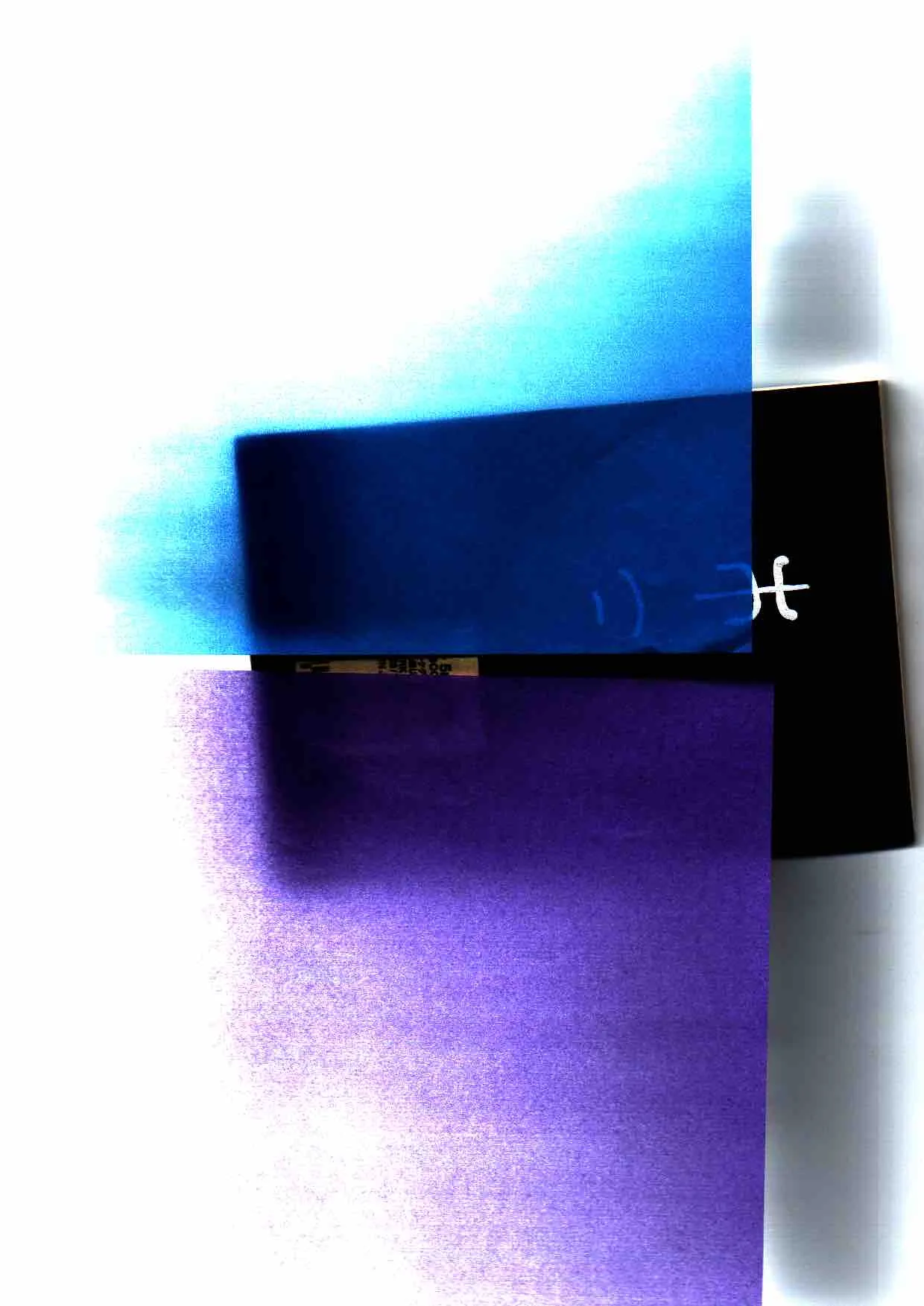
Coloured paper moved across the scanner glass
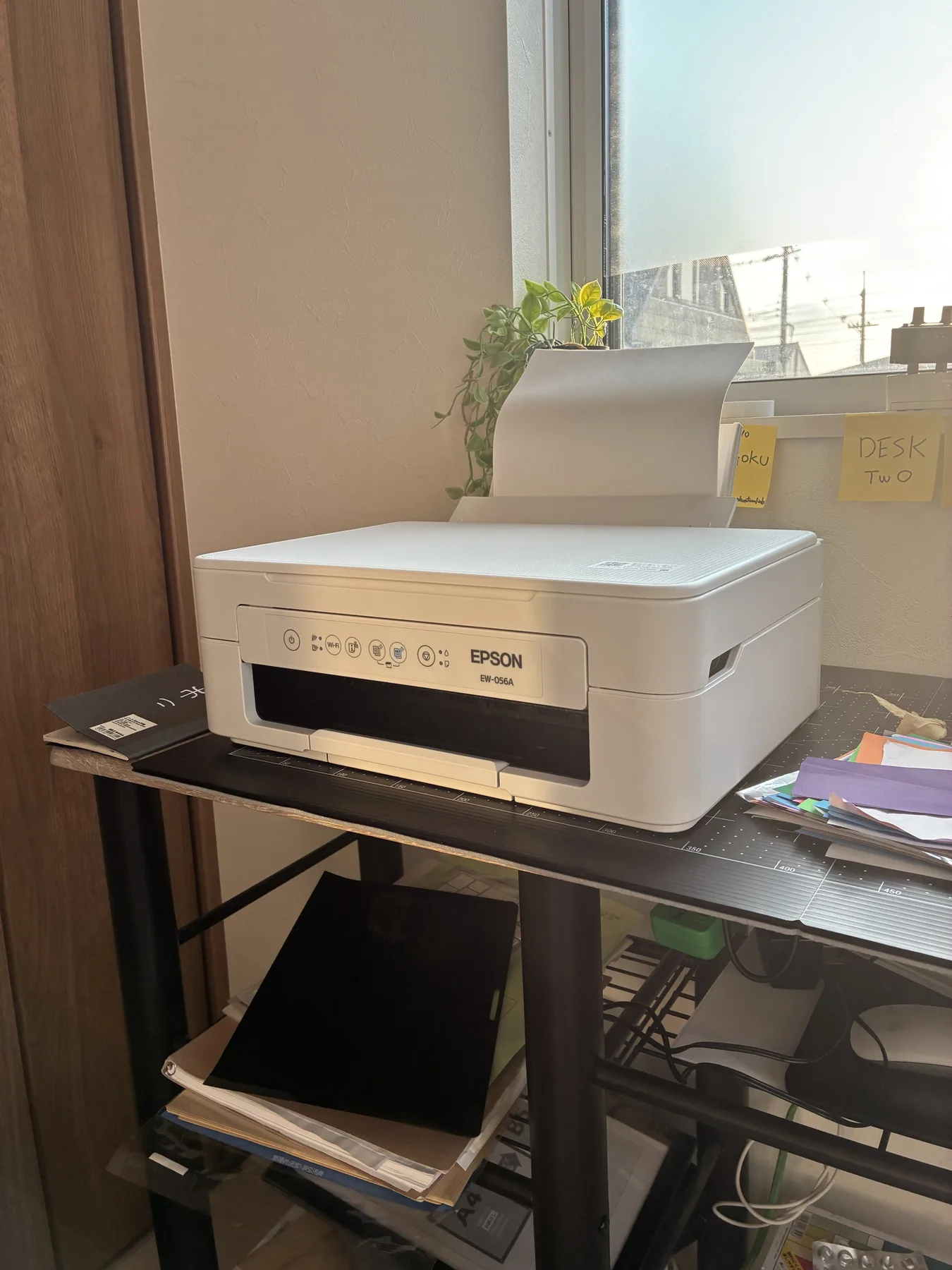
The studio printer by the window
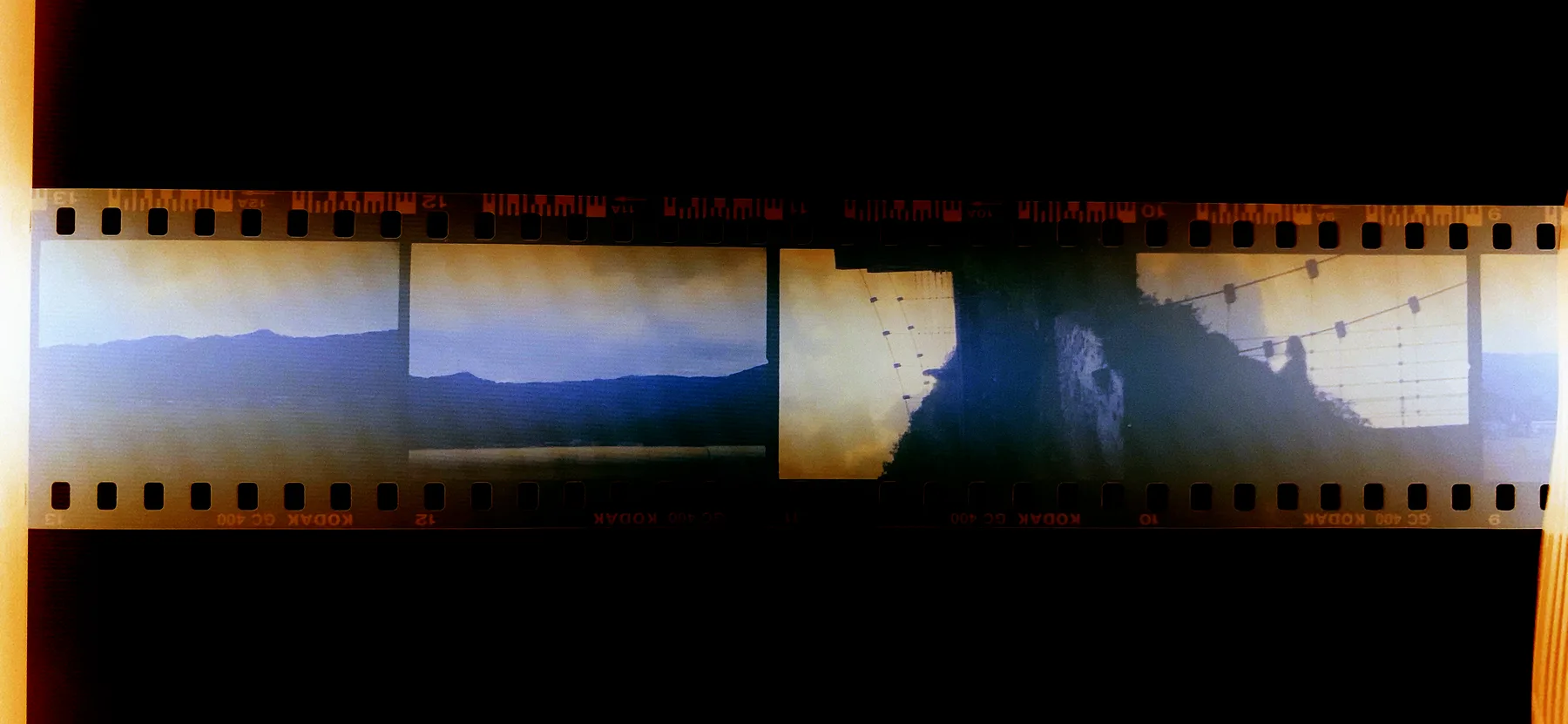
A strip of colour negative film

Brush, scanner glass, a home printer, film — the tools change, the habit doesn’t.

04How the grain is made — TSUBU

A letter, played like a synth.

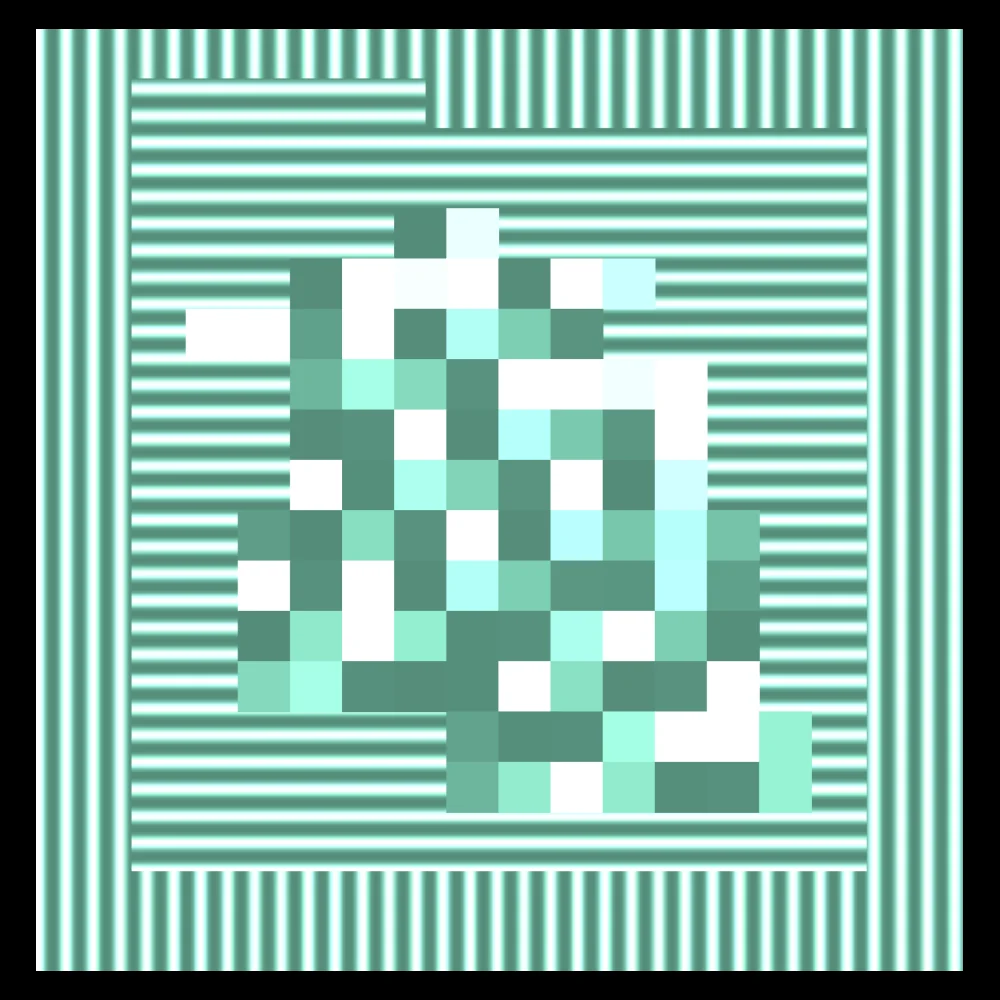
TSUBU (粒, “grain”) is one of the browser tools I wrote for myself. It turns a Japanese character into a field of 8-bit cells, then lets me play those cells like oscillators.

It is a tool, not a filter: every image is a single performance, recorded at the moment it settles.

Step 1

Start from a letter.

One Japanese character, typed or drawn. Nothing else goes in — no photographs.

Step 2

Lower the resolution.
The letter drops into a coarse grid, like sound sampled at a low bit-rate. The shape survives; the detail is gone.

Step 3

Give every cell a voice.

Each cell becomes a small tile of light — a stripe, a shine, a direction. Together they behave like a chord.
Step 4

Play, then stop.

I turn the dials and let it move, then keep the one take where nothing wavers. Stills, loops and prints all come from that take.

TSUBU is open in the browser: kinoshita.studio/tsubu

05How I decide

Three rules I keep.

  1. 01

    One instrument per piece.

    If a work needs two tools to explain it, it is two works.

  2. 02

    Letters only.

    No photographs, no borrowed ornament. The way it was made should be enough to recognise it.

  3. 03

    Keep the take that holds still.

    The clever take is usually the wrong one. I keep the one that would still feel right on a wall a year later.

06Work — by instrument

TSUBU / grain

Letters broken into 8-bit grain and played as light. Motion loops and stills.

TSUBU I
TSUBU II
TSUBU III
Poolside I
POOLSIDE I
Poolside II
POOLSIDE II
LETTERING

MASU / grid

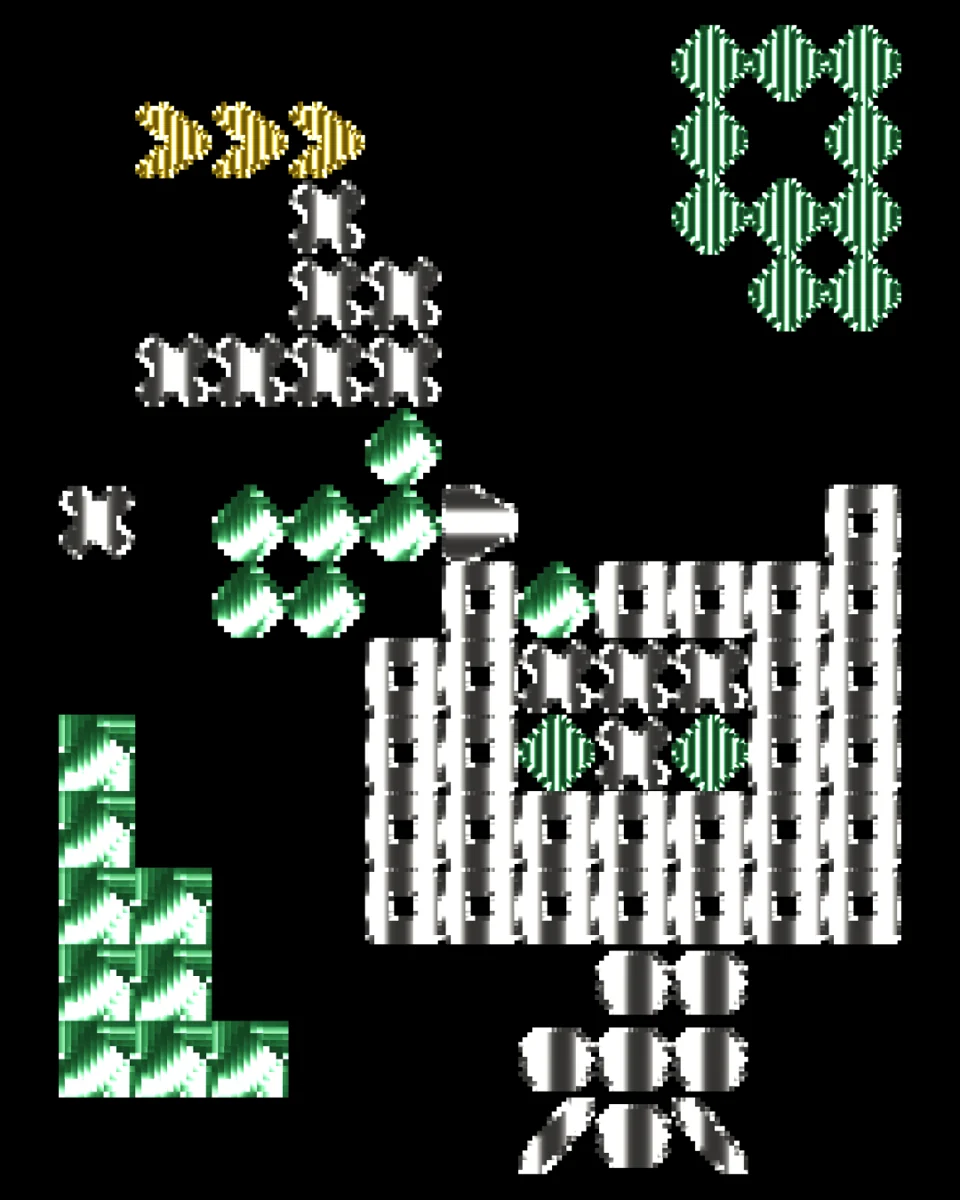
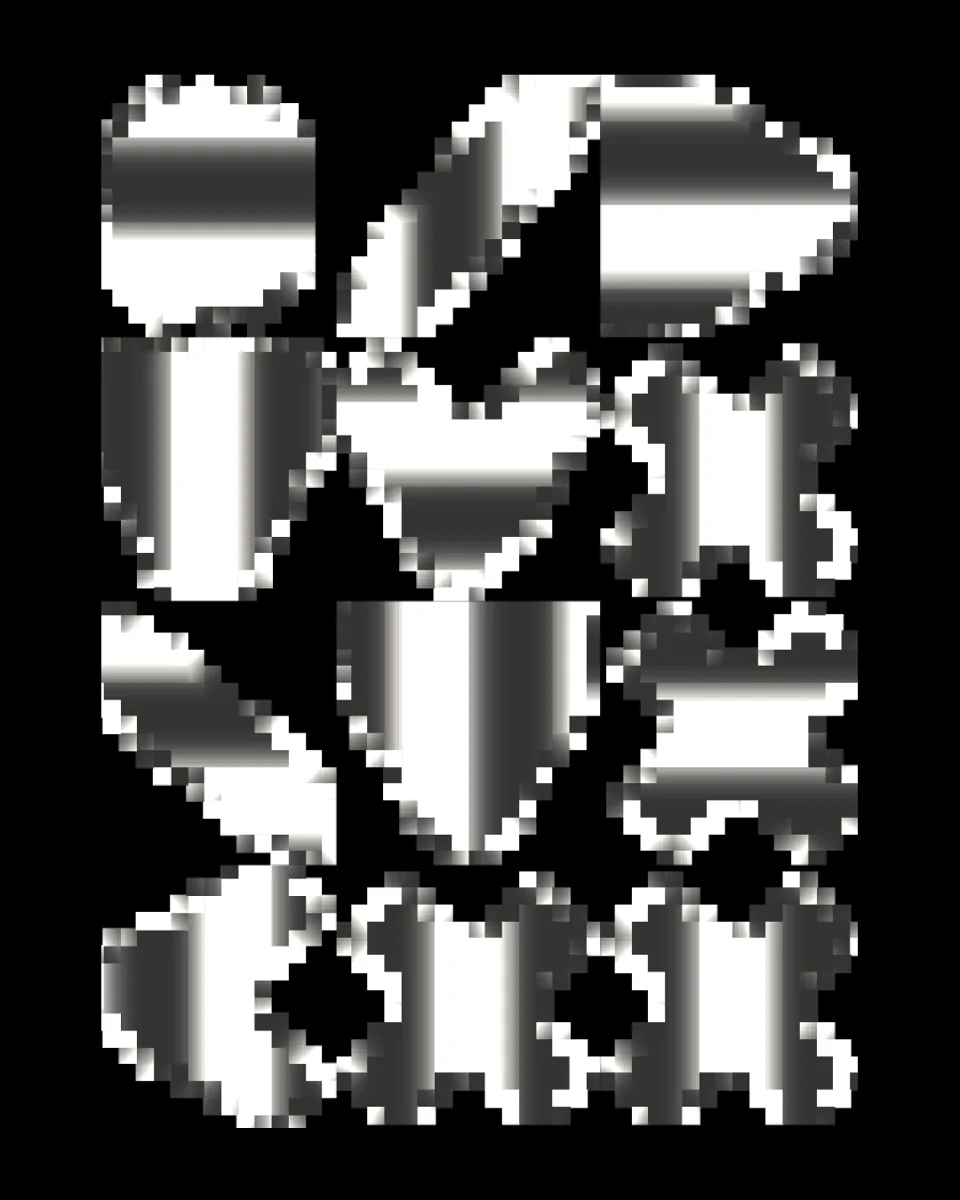
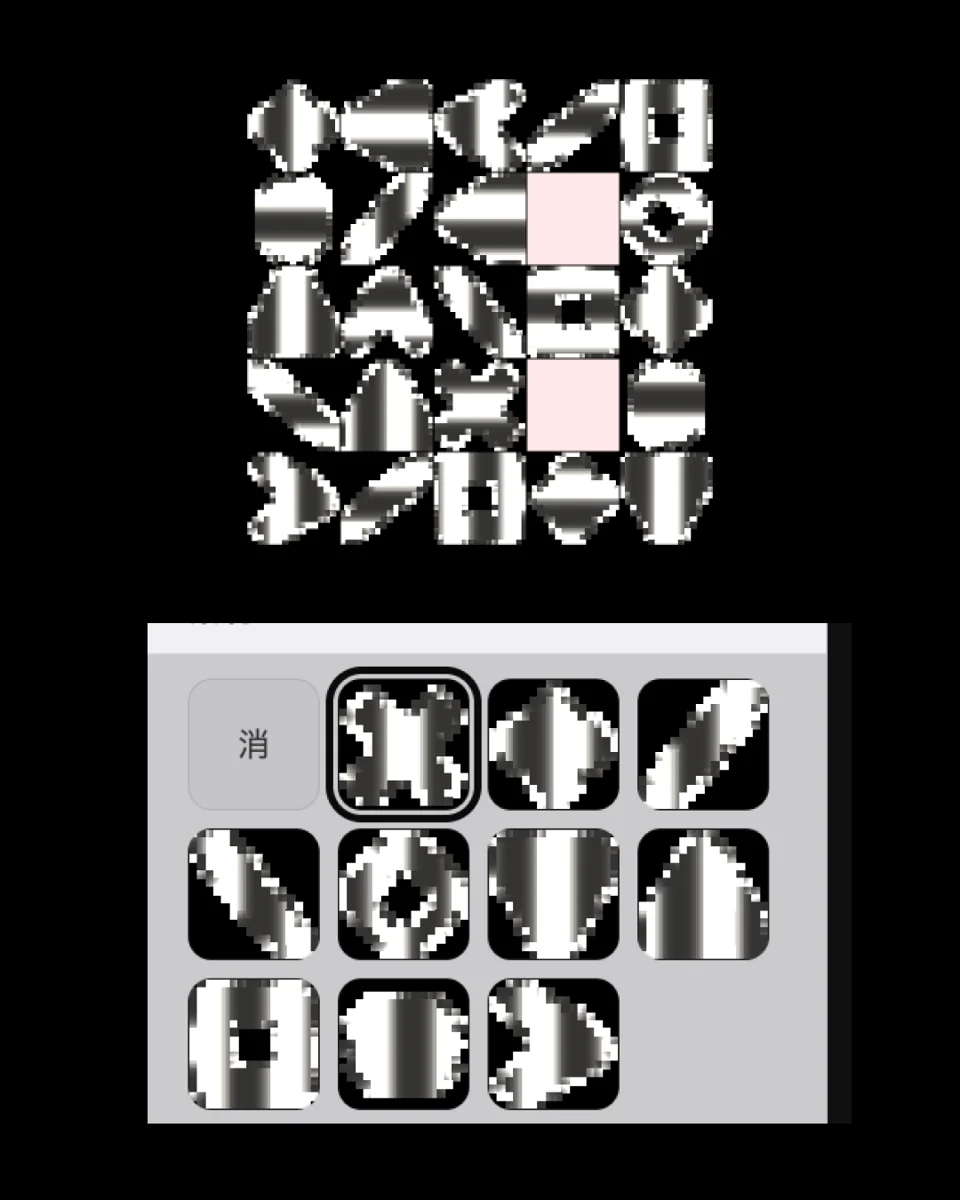
A square measure, filled with chrome. Each cell is chosen by hand from a small palette of shapes.

MASU I
MASU I
MASU II
MASU II
MASU III
MASU III
MASU IV
MASU V
MAKU

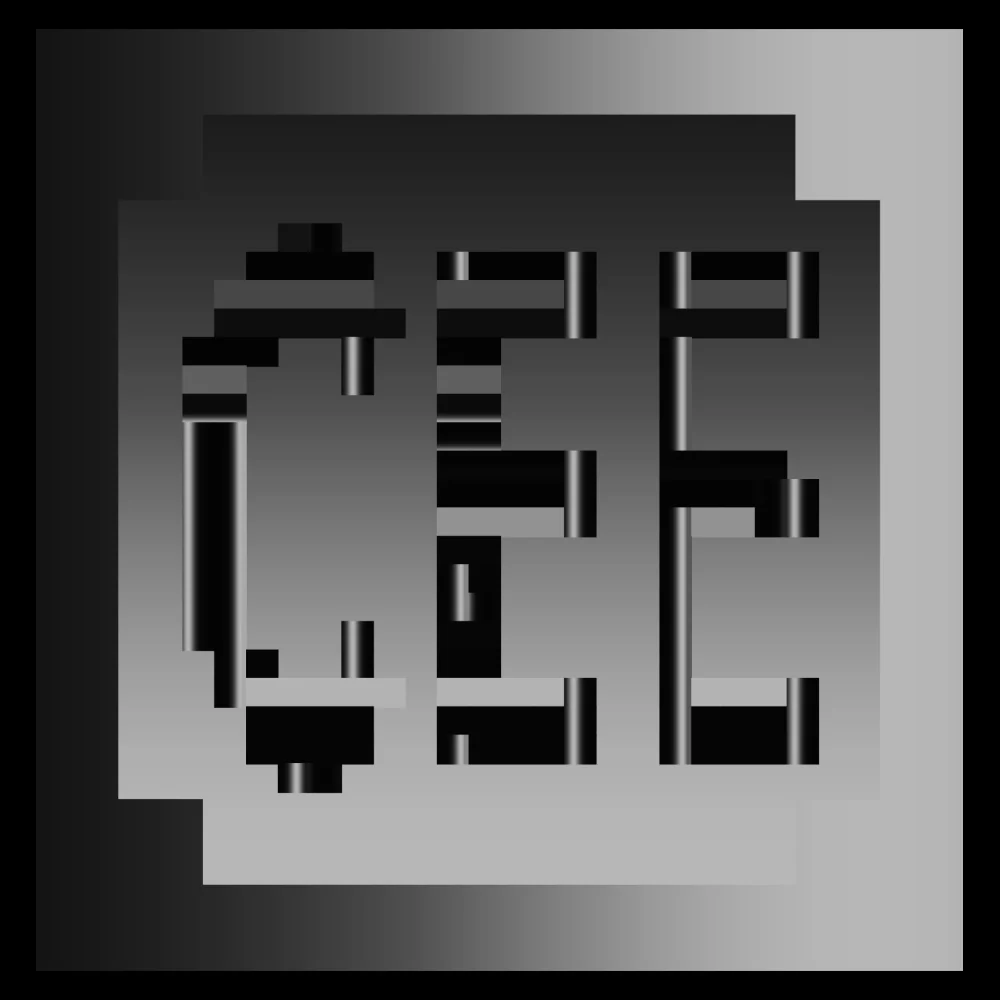
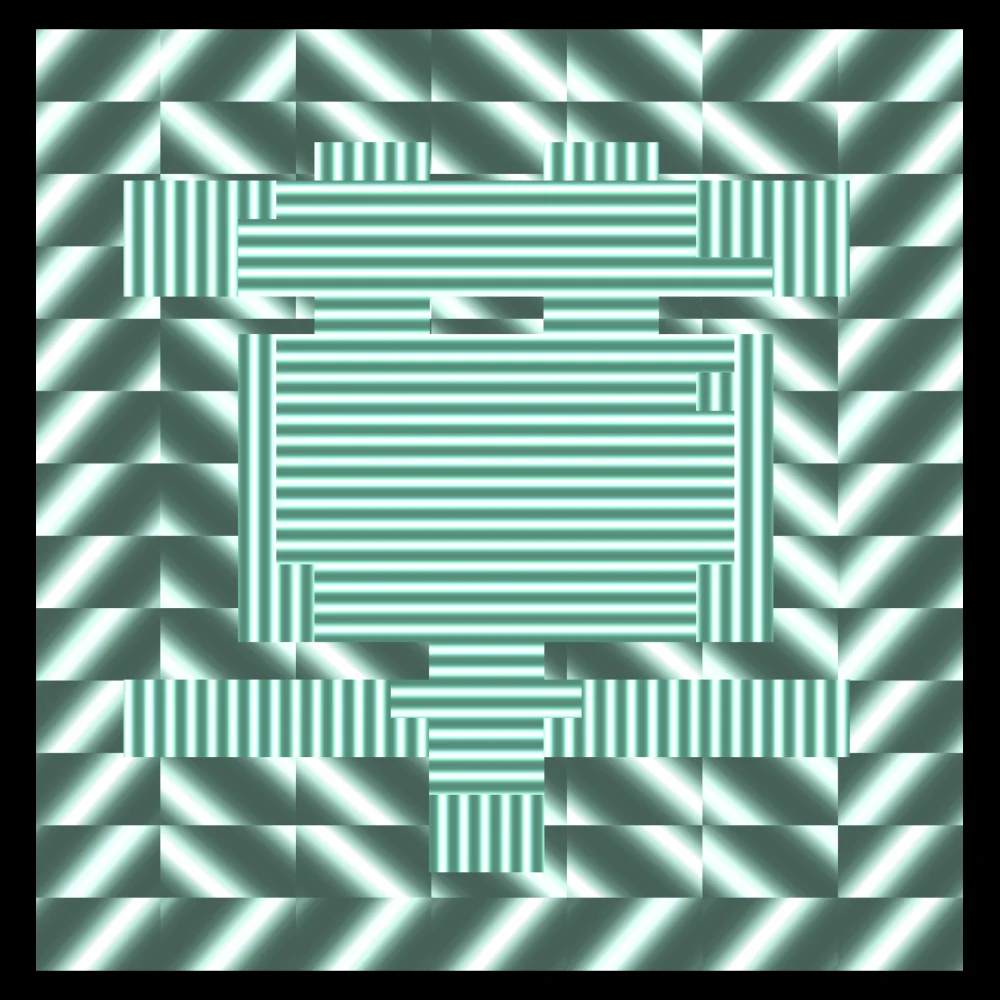
Light of letters

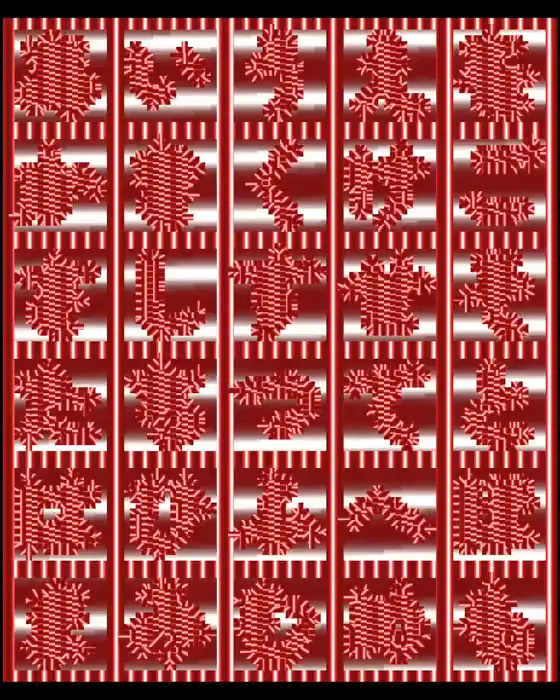
One character set inside a frame of lines, until the frame and the letter become one surface.

Light of letters I
I
Light of letters II
II
Light of letters III
III
Light of letters IV
IV

NIJIMI / OBORO — bleed & haze

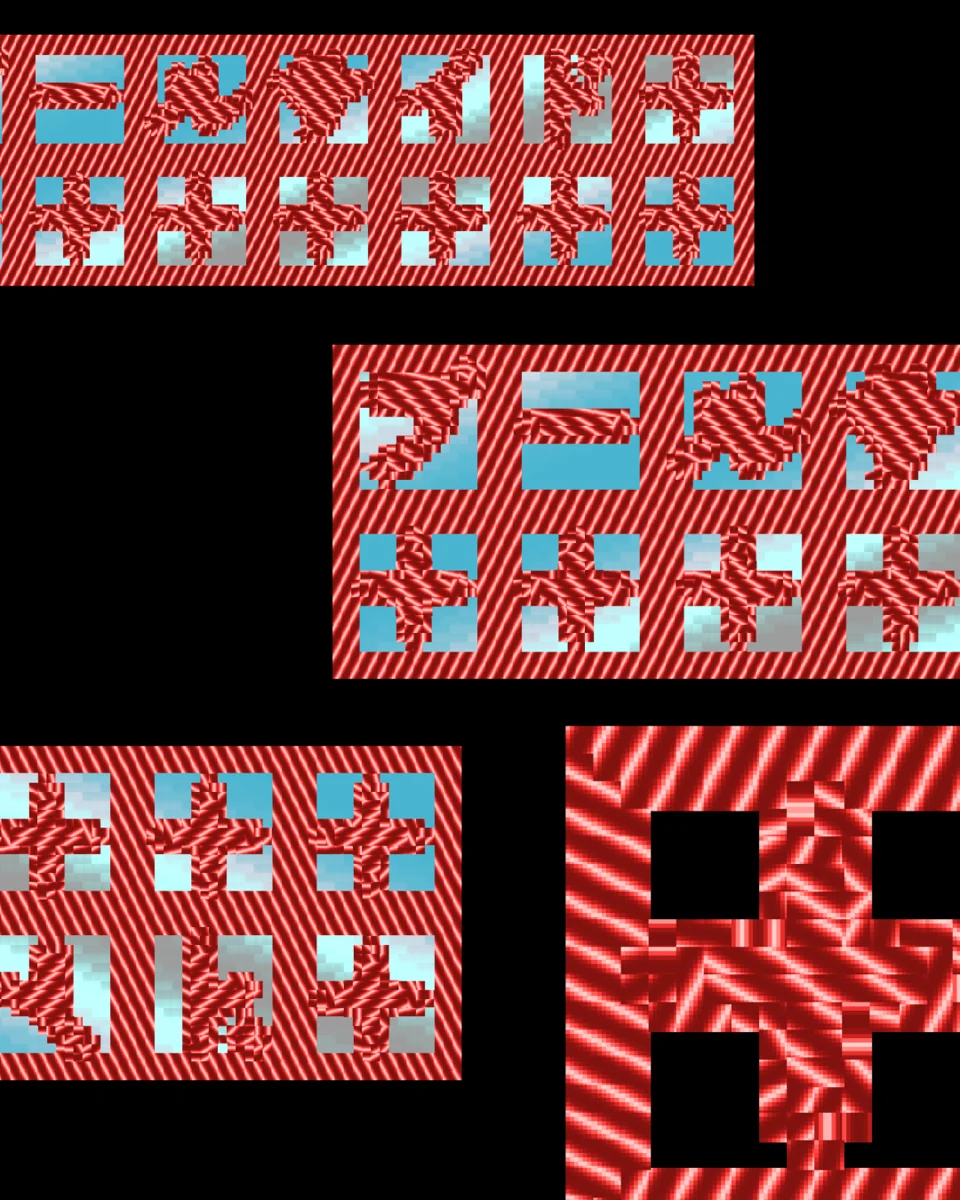
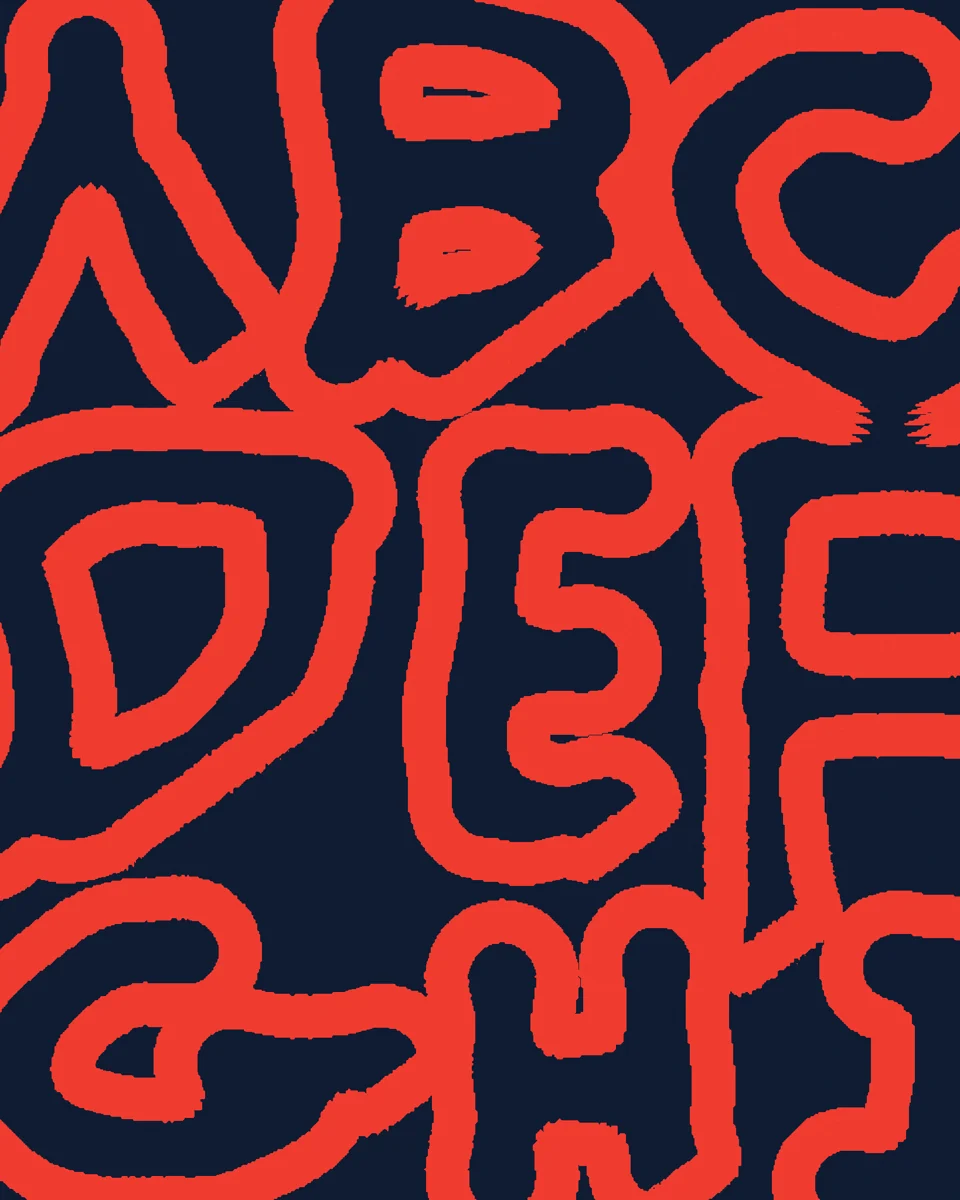
Letters that soak and smear, and images stretched until only their weather is left.

NIJIMI ABC
NIJIMI ABC
NIJIMI I
OBORO I
OBORO I
OBORO II
07Cover art

The same instruments, on a sleeve.

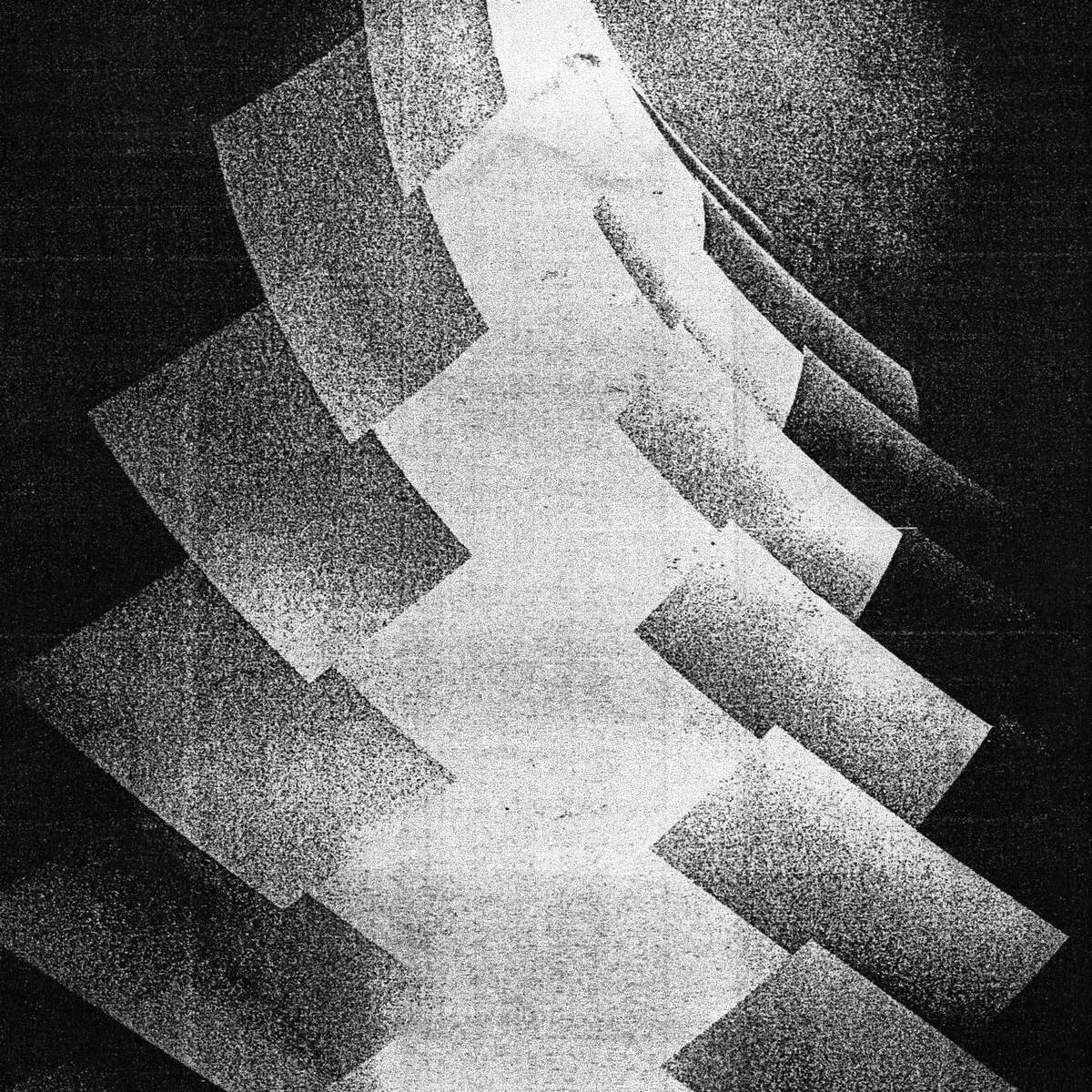
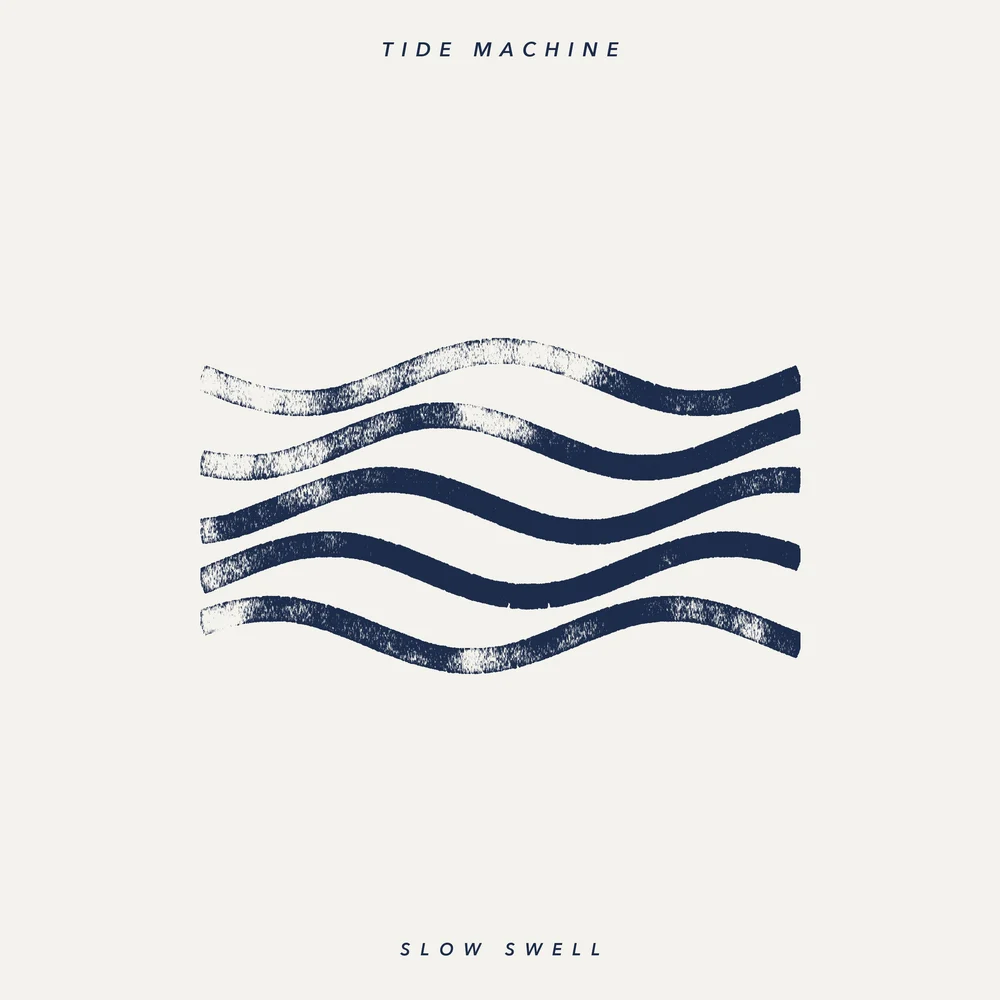
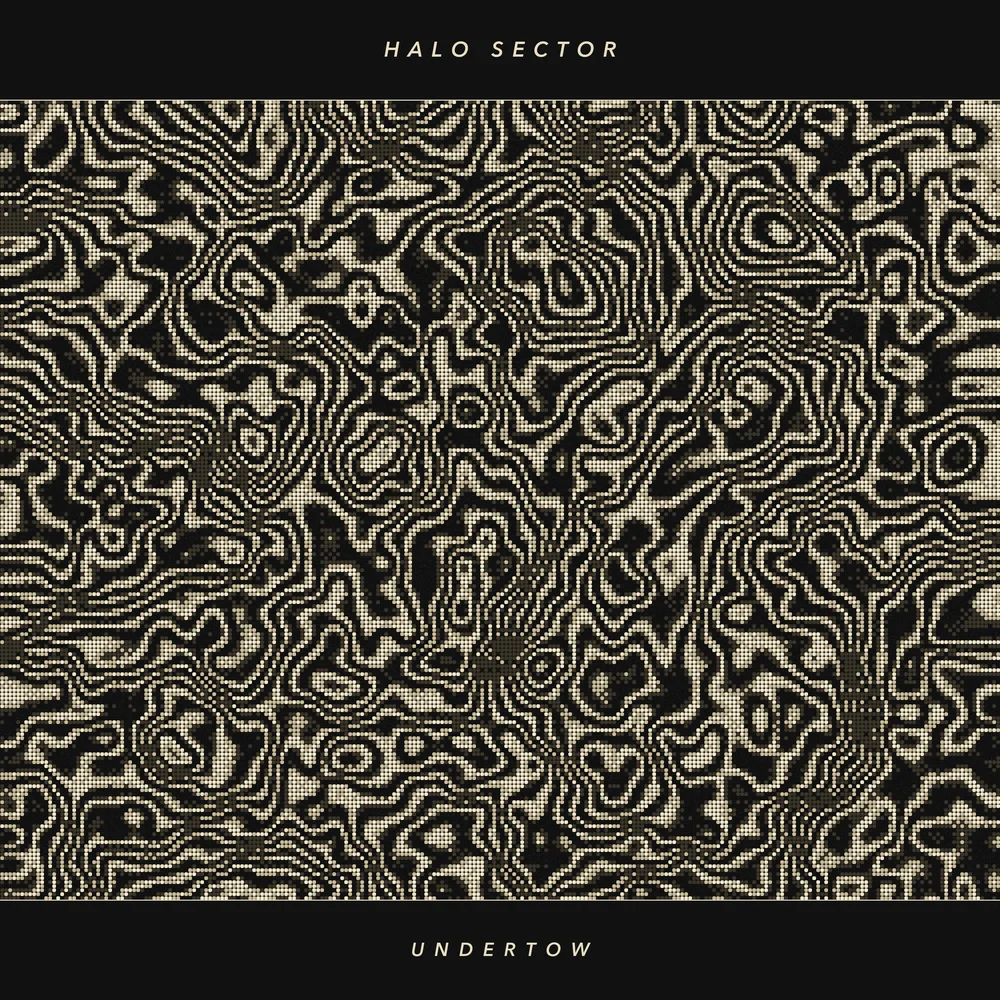
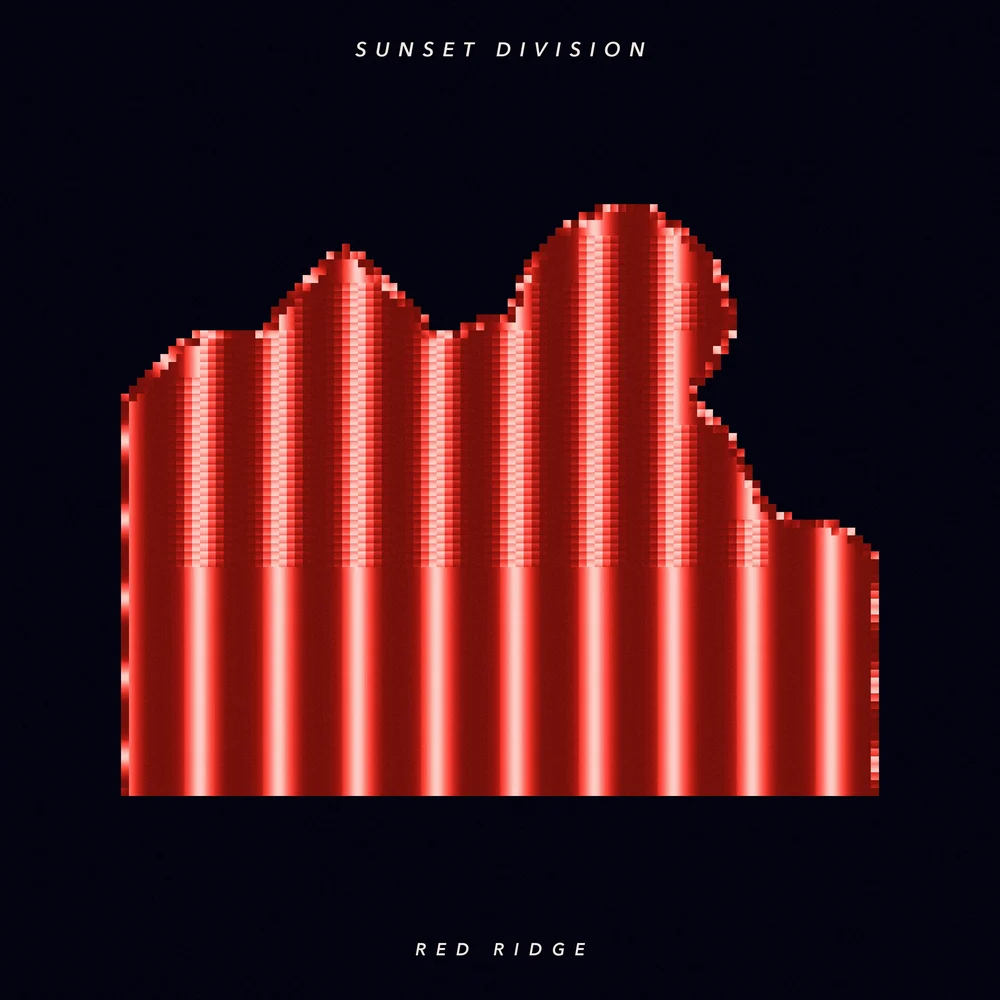
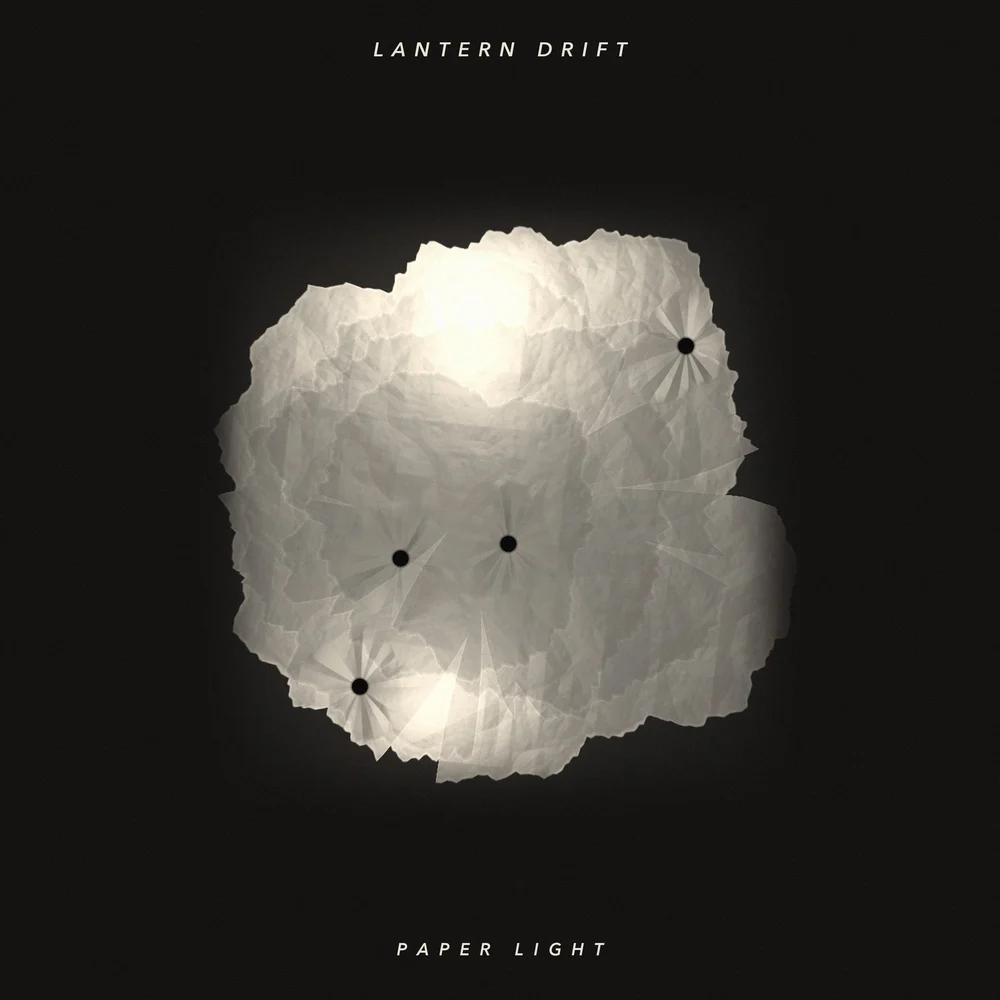
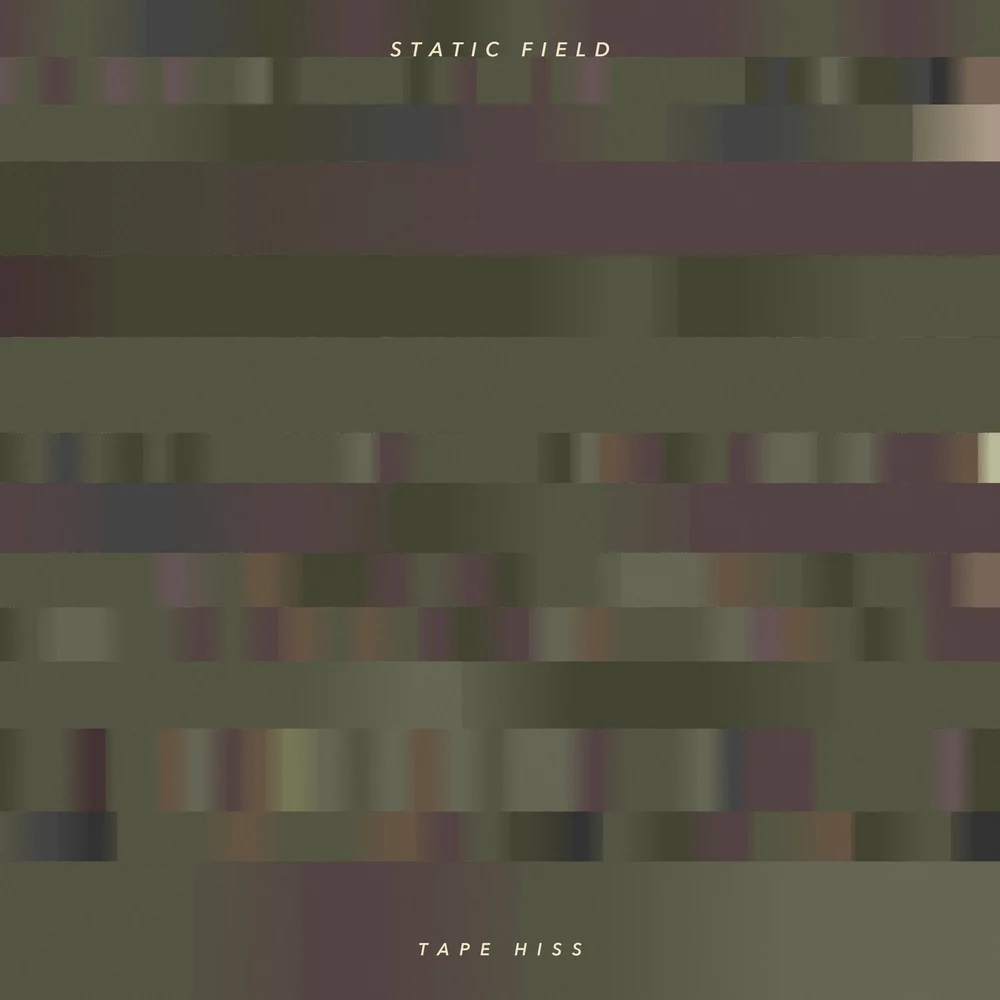
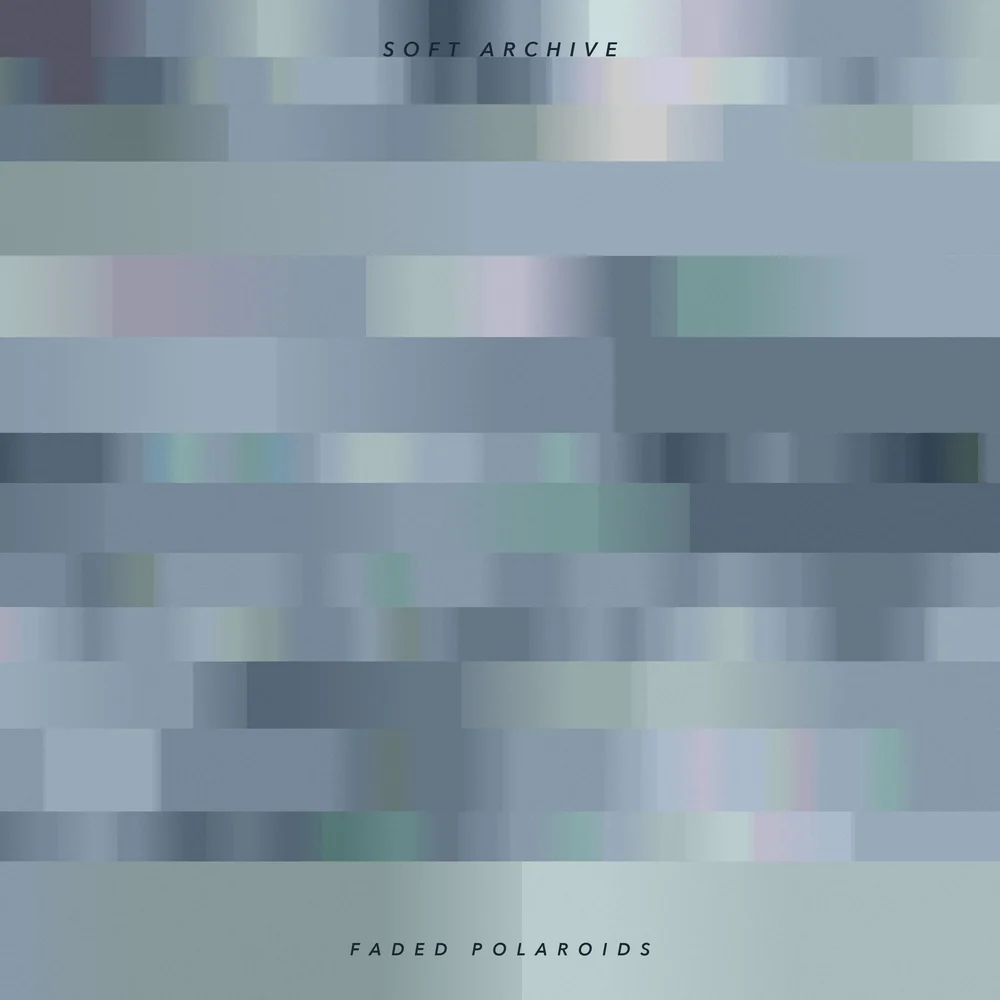
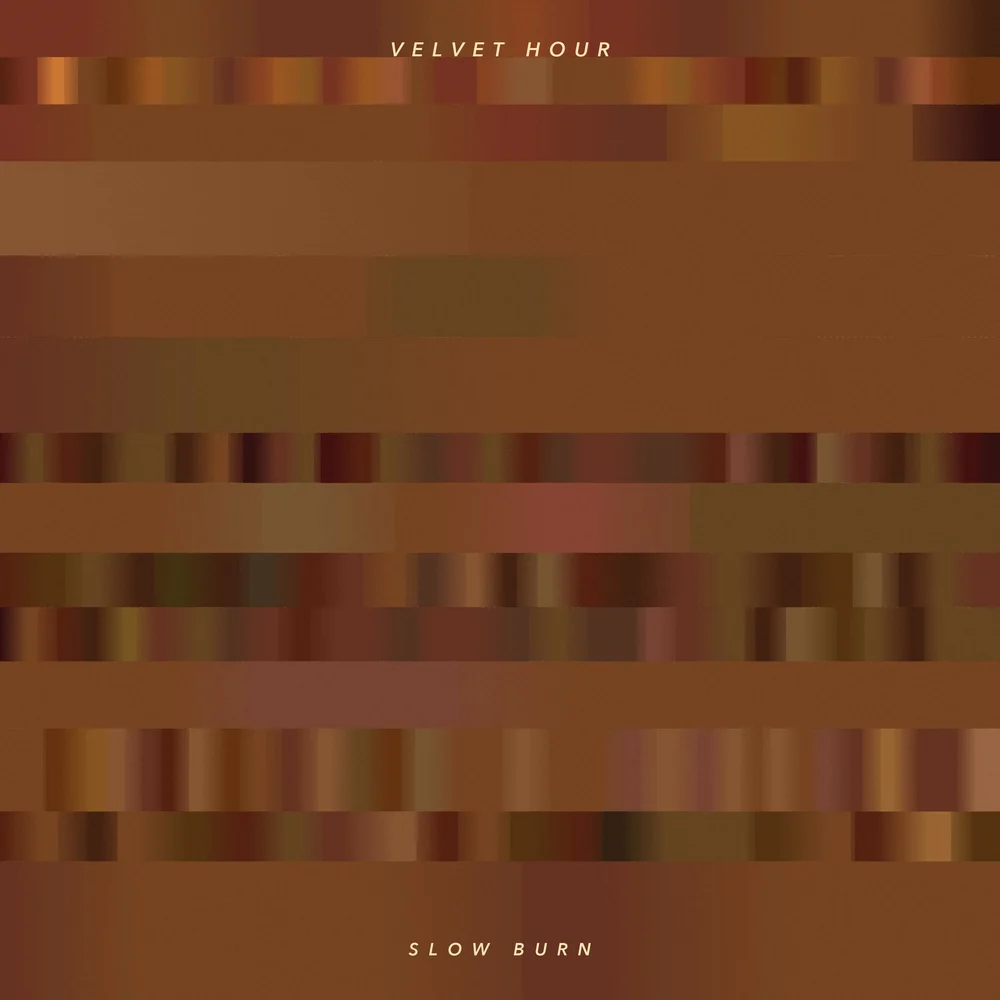
A set of sleeves made with the tools above — grain, print, stretch and paper. Each one starts from a single shape and is finished as a full cover, ready for vinyl, cassette or a streaming thumbnail.

Tide Machine — Slow Swell
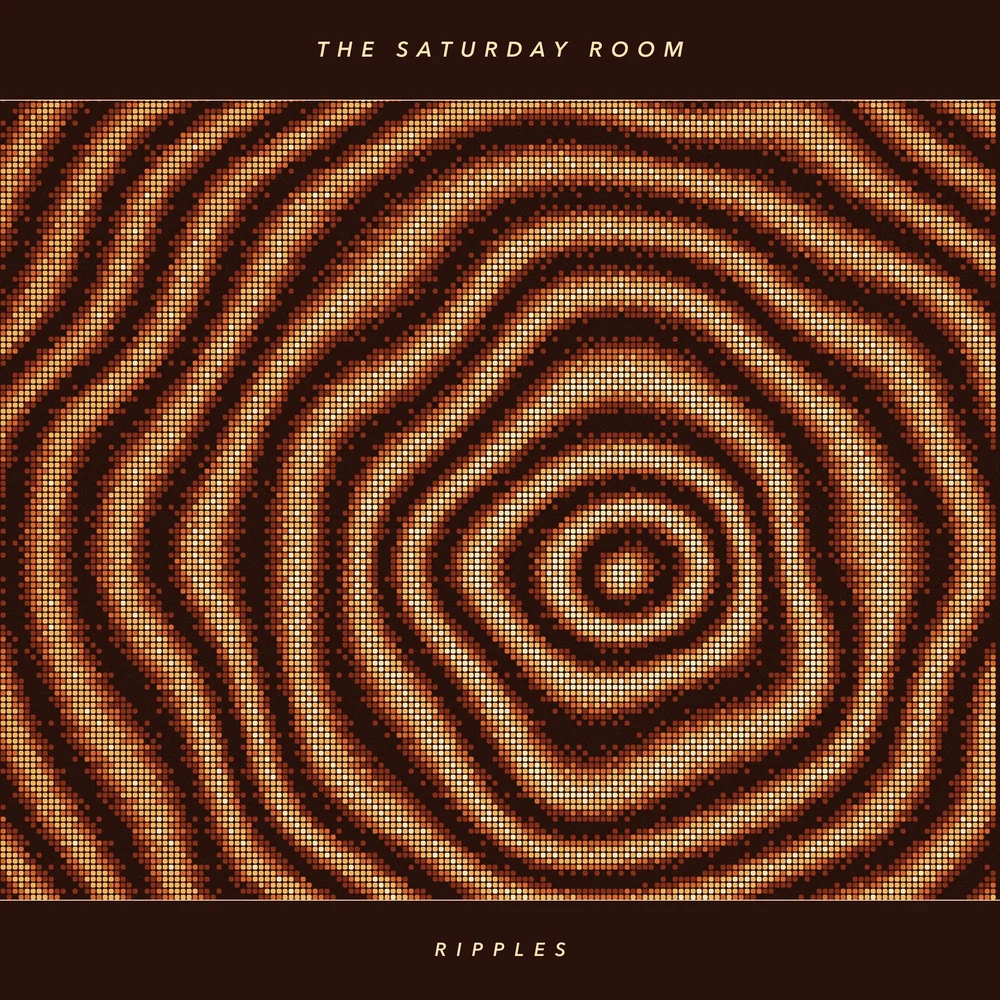
The Saturday Room — Ripples
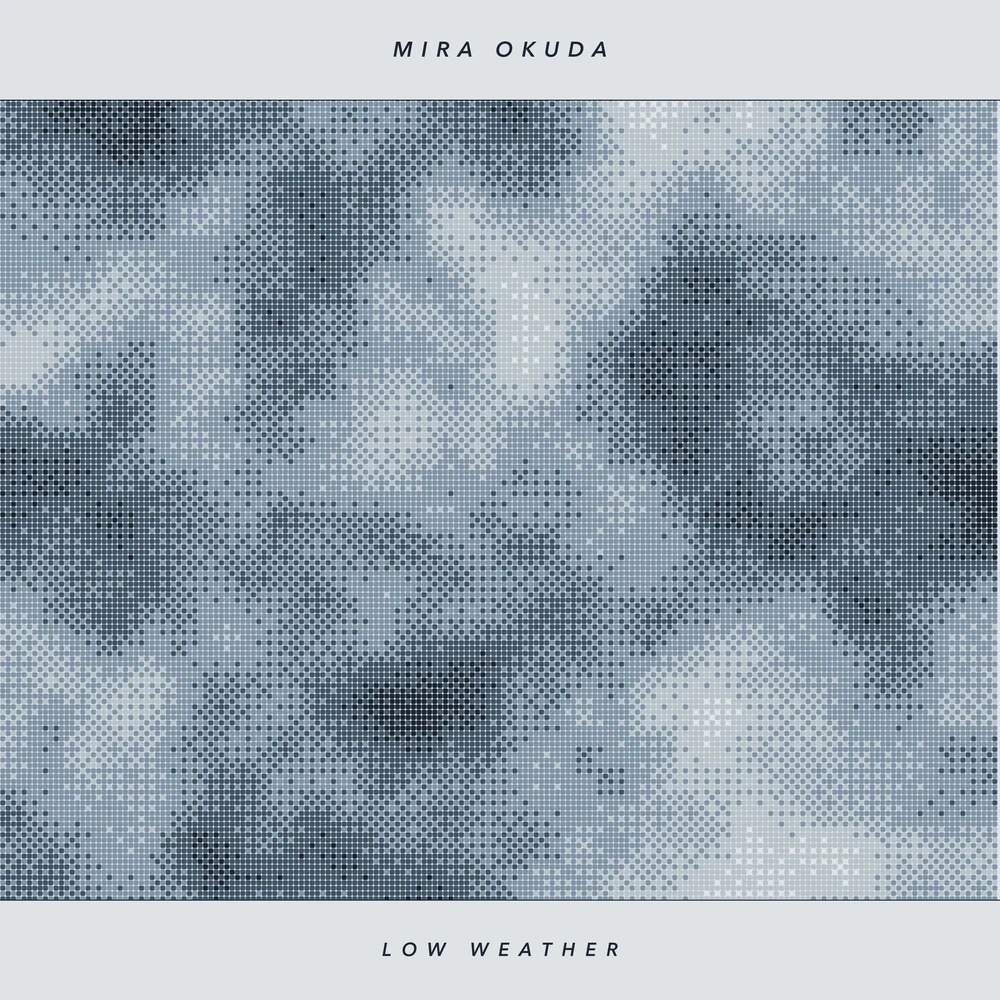
Mira Okuda — Low Weather
Halo Sector — Undertow
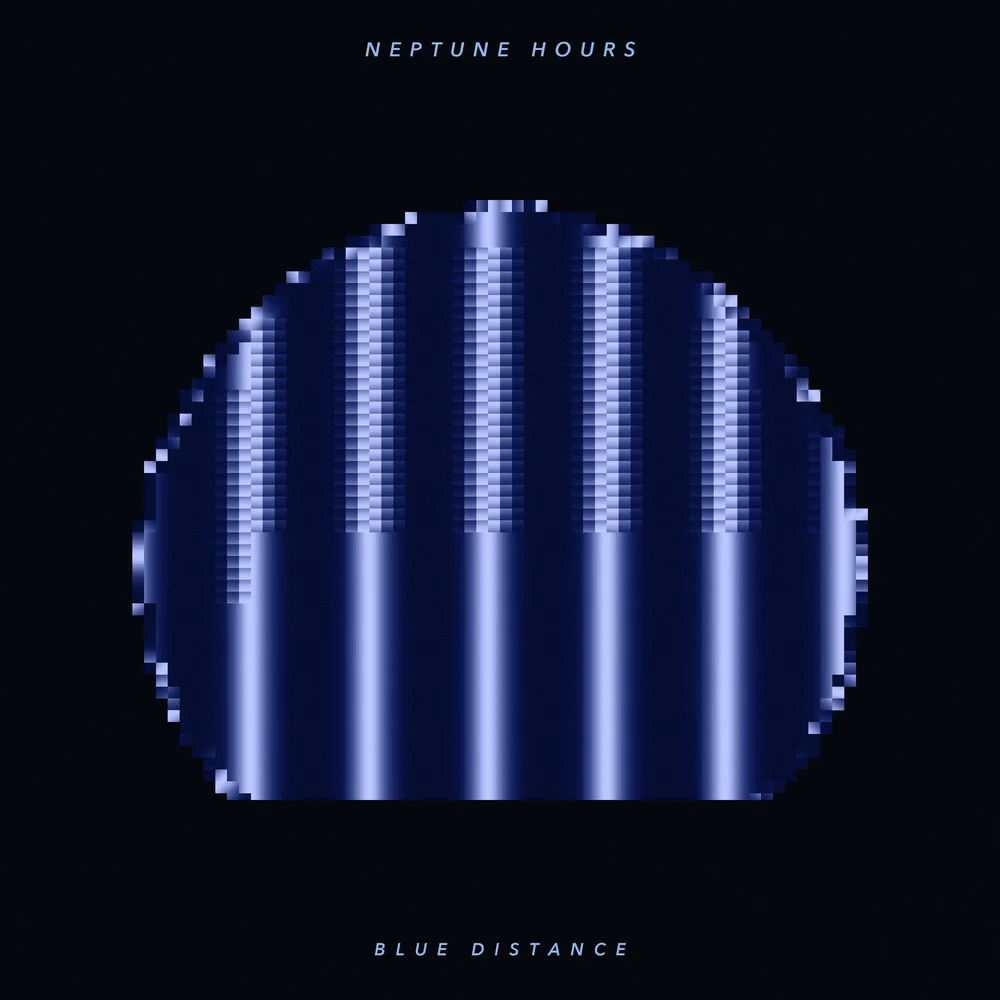
Neptune Hours — Blue Distance
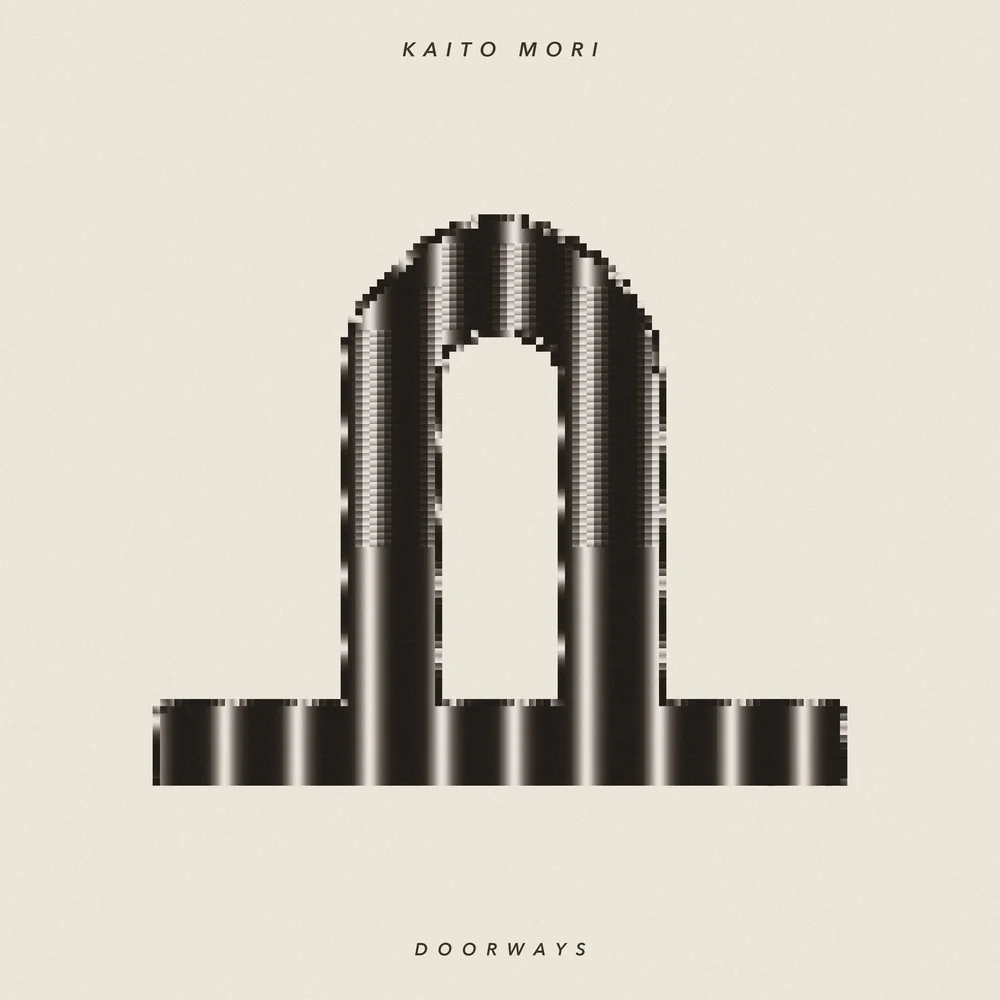
Kaito Mori — Doorways
Sunset Division — Red Ridge
Lantern Drift — Paper Light
Static Field — Tape Hiss
Soft Archive — Faded Polaroids
Velvet Hour — Slow Burn

Self-initiated sleeves for imagined releases. The artists and titles are fictional.

08What I can make for you

For a record, a film, or a single word.

Cover art

Vinyl, cassette, CD and digital sleeves — front, back and the small details in between.
Title lettering

A title or a name drawn as its own letterform, in Japanese or Latin.
Obi strips & Japanese text

For Japanese reissues — the obi, titles and credits, set to read naturally in Japanese.

Motion loops

Short seamless loops for Spotify Canvas, visualisers and release teasers.

Posters & key visuals

For films, shows and releases — made to be printed and put on a wall.

09Contact

Even a small part is fine.

A cover, a title, or just one word — I’m glad to hear about it. English is fine.

99letters99@gmail.com